

The US government has issued a formal apology in a federal court for what it termed a "mistake" in the deportation of a 19-year-old college student, an action that directly violated an emergency judicial order. However, the administration continues to argue that this error does not invalidate the underlying immigration case against her.
A Thanksgiving Surprise That Ended in Deportation
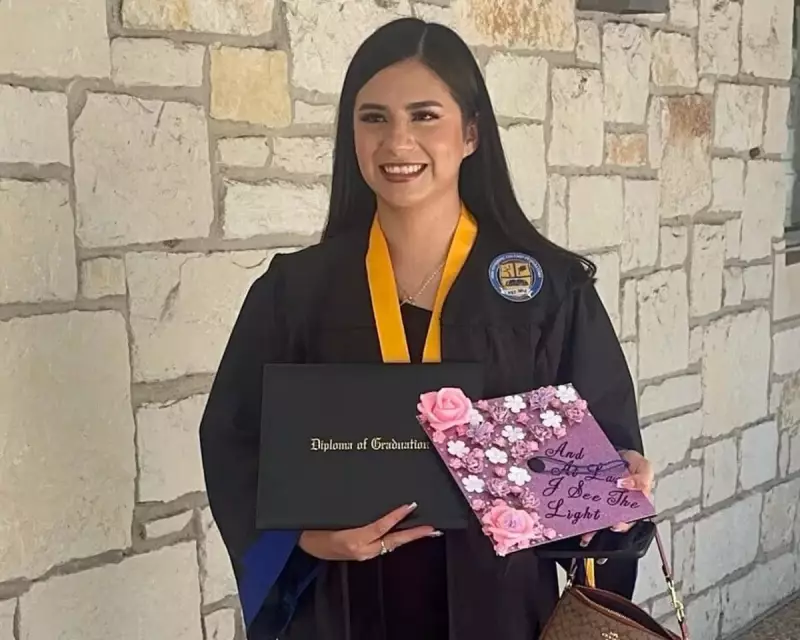
Any Lucía López Belloza, a freshman at Babson College in Wellesley, Massachusetts, was detained at Boston's Logan International Airport on 20 November. She was attempting to fly to Texas to surprise her family for the Thanksgiving holiday. Despite an emergency court order issued on 21 November that directed authorities to keep her within the United States for at least 72 hours for legal proceedings, she was flown to Honduras just two days after her initial detention.
López Belloza, whose family emigrated from Honduras to the US in 2014 when she was seven years old, is now staying with grandparents and studying remotely. She is not currently detained and was recently visiting an aunt in El Salvador. In a concerning post-deportation incident, Immigration and Customs Enforcement (ICE) officers reportedly visited her parents' home in Austin, Texas in early December, behaving aggressively before departing without taking action.

Government Admits Error But Defends Legality
During a federal court hearing in Boston this week, government lawyers acknowledged the violation of the judge's order. Assistant US Attorney Mark Sauter stated, "On behalf of the government, we want to sincerely apologise," explaining that an ICE deportation officer mistakenly believed the court order no longer applied once López Belloza was moved from Massachusetts.
The officer failed to activate a system that alerts other agents when a case is under judicial review and removal should be halted. Sauter emphasised the violation was "an inadvertent mistake by one individual, not a willful act." In a January declaration, the officer admitted he did not notify ICE's enforcement office in Port Isabel, Texas, to cancel the removal mission.
Nevertheless, the government maintains the deportation itself was lawful. Prosecutors pointed out that an immigration judge ordered the removal of López Belloza and her mother in 2016, and the Board of Immigration Appeals dismissed their appeal in 2017. They argued she could have pursued additional appeals or sought a formal stay of removal.
Legal Battle and Judicial Response
The government's legal team also contended the court lacks jurisdiction, as López Belloza's lawyers filed their action several hours after she was taken to Texas en route out of the country. Her attorney, Todd Pomerleau, countered forcefully, stating she was deported in clear violation of the 21 November order and deprived of due process. "I was hoping the government would show some leniency and bring her back," Pomerleau said. "They violated a court order."
Federal Judge Richard Stearns described the situation as a "tragic" bureaucratic error and appreciated the government's acknowledgement. However, he indicated he was unlikely to hold the government in contempt, noting the violation did not appear intentional. Judge Stearns also questioned his jurisdiction over the case. "It might not be anybody's fault, but she was the victim of it," he remarked, suggesting López Belloza might explore applying for a student visa.
Pomerleau proposed one potential resolution: allowing his client to return to the United States to finish her studies while he works to reopen the original removal order. The case highlights the complex and often harsh realities of US immigration enforcement, where procedural errors can have life-altering consequences.






