

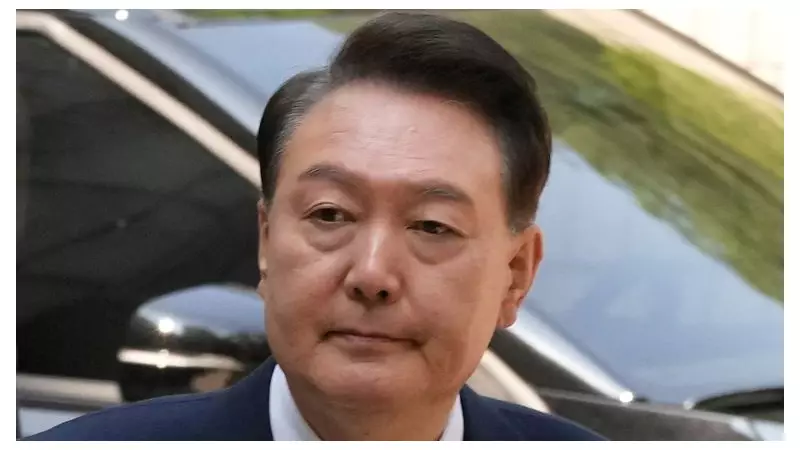
In a landmark ruling, South Korea's former president, Yoon Suk Yeol, has been handed a five-year prison sentence for his role in obstructing justice during the fallout from his failed attempt to impose martial law.
The Court's Verdict and Charges
The Seoul Central District Court found Yoon guilty on Friday, 16 January 2026, on multiple charges. The court ruled that he had mobilised the presidential security service to block authorities from executing a legitimate arrest warrant against him. This warrant was part of an investigation into his controversial declaration of martial law on 3 December 2024.
Furthermore, the three-justice panel found him guilty of fabricating official documents and failing to follow the required legal process. The judges stated that martial law must be discussed at a formal cabinet meeting, a step Yoon bypassed.

"The defendant abused his enormous influence as president to prevent the execution of legitimate warrants through officials from the Security Service," the lead judge stated, adding that Yoon had shown no remorse for his actions.
Background of the Political Crisis
Yoon's declaration of martial law, which he argued was within his presidential powers to counter parliamentary obstruction, lasted only six hours before being overturned by parliament. The swift reversal triggered widespread protests calling for his removal and led to his impeachment in December 2024. He was formally dismissed from office by South Korea's Constitutional Court in April the following year.
This case stems from a subsequent incident in January 2025, where Yoon barricaded himself inside his residence and ordered his security detail to block investigators. He was later arrested in a major police operation involving over 3,000 officers.
Ongoing Legal Battles and Appeal
This five-year sentence is just the first in a series of legal challenges facing the former leader. In a separate, more severe trial, prosecutors have requested the death penalty, arguing that his martial law enforcement amounted to orchestrating an insurrection.
Yoon, who appeared in court noticeably slimmer and with greying hair, has indicated he will appeal the verdict. His lawyer, Yoo Jung-hwa, criticised the ruling, stating, "We express regret that the decision was made in a politicised manner."
The case marks a significant moment in South Korean political history, being the first time a sitting president has been arrested, underscoring the intense legal and political scrutiny following the martial law crisis.






