

As Iran's government begins to ease a severe internet blackout, the full, horrifying scale of its crackdown on recent anti-regime protests is starting to emerge. Families within Iran's vast global diaspora are now learning the fate of loved ones, reacting with a mixture of profound grief, shock, and burning anger.
Stolen Bodies and Secret Burials
According to the US-based Human Rights Activists News Agency, more than 2,500 people have been killed since the latest wave of unrest began. The death toll is feared to rise significantly as communication channels slowly reopen after being severed since 8 January.
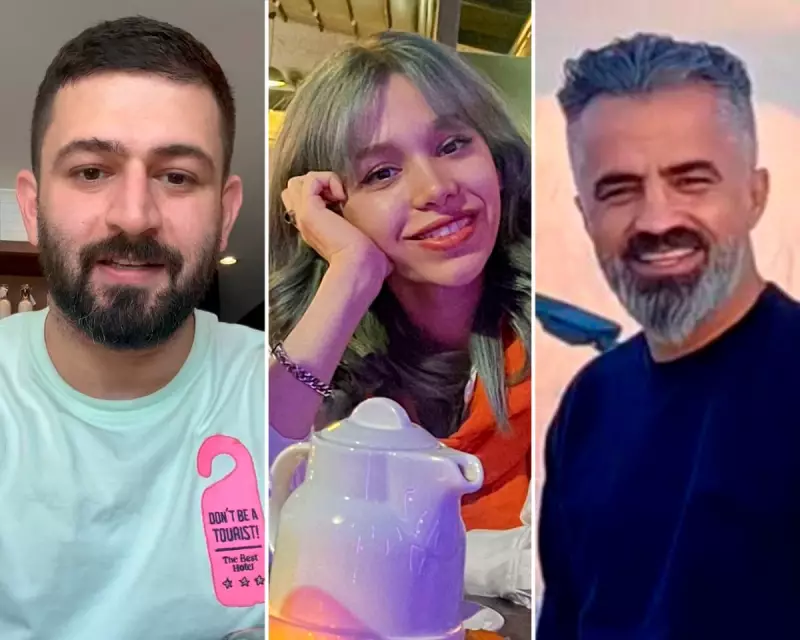
For Hali Norei, a 40-year-old based overseas, the news came via a fraught call from relatives who had travelled to the Iraqi border to get a signal. Her 23-year-old niece, Robina Aminian, a fashion student, was killed in Tehran on 8 January. "She was shot in the head from behind after joining university friends at a protest," Norei told the Guardian.

The tragedy was compounded by the family's struggle to reclaim Robina's body. Norei's relatives in Tehran travelled to identify her, witnessing "hundreds of bodies of young people shot and killed." Authorities refused to release the body, forcing Aminian's mother to secretly carry her daughter away. "She picked her up in her arms and was forced to steal her own child's body," Norei said.
Security forces then followed the family home and stationed themselves outside. Denied a funeral by local mosques, they were forced to bury Robina by the roadside, digging the grave themselves. "I want to be Robina's voice," Norei declared, "and don't want this regime to silence the voices of our children."
A Cry for the Next Generation
The stories echo across the diaspora. Sara Rasuli, 39, now a refugee in Germany after fleeing the 2022 protests, discovered her cousin Ebrahim Yousefi had been killed. The 42-year-old Kurdish father of three was shot by security forces.
Hours before his death, Yousefi posted a poignant message on social media: "We ourselves never had any luck, nor did our children … We grew up with war and hunger, our children with sanctions, power cuts, water shortage, and pollution … God, in the end, what will become of our children."
Rasuli's grief is laced with fury. "The whole world needs to know what's happening to the children of Iran, especially the Kurds," she stated. The family's ordeal continued when two relatives who went to retrieve Yousefi's body were themselves arrested, their fate unknown due to the ongoing communications blackout.
Voices Silenced, Dreams Shattered
From Canada, world champion bodybuilder Akbar Sarbaz, 36, mourns his coach and friend of 15 years, Mahdi (Masoud) Zatparvar. The two-time bodybuilding champion was shot and killed at a protest on 9 January.
Zatparvar had also posted on Instagram before joining the demonstration, writing: "I just want my rights. A voice that has been silenced in me for over 40 years must scream… I am here so that tomorrow I won't look at myself in the mirror and say that I had no vein, no honour."
"He asked me to share this post and be the voice of the protesting people of Iran," Sarbaz recalled. "He was fearless and the kindest… He wanted to fight for the rights and freedom of our compatriots."
The repression extended to the final rites. Siavash Shirzad, a 38-year-old father, was shot while protesting in Tehran's Punak Square. After being shuttled between overwhelmed hospitals, his family received a call saying he was alive, only to find he had died upon arrival.
His body was among hundreds at the Kahrizak forensic medicine centre, numbered 12,647. The family paid a large sum to view it and were refused permission for a proper burial unless they agreed to a private ceremony. They were threatened: "Otherwise, we will bury him ourselves, in a place where there are 12,000 mass graves." Military vehicles followed them, warning that any shouted slogan would result in the body being confiscated.

With at least half a million Iranians living in Europe alone, the diaspora's anguish is a global echo of the suffering inside Iran. As the internet blackout lifts, more stories of loss are expected to surface, painting an ever more detailed picture of a regime's brutal attempt to quell dissent.





