

In 2025, the global landscape for women's rights can appear bleak, with hard-won freedoms seemingly under concerted attack. From the rollback of abortion rights in the United States, with echoes in the UK, to the Taliban's intensified oppression in Afghanistan, the forces of regression are potent. Sexual violence remains endemic in nations like Haiti and the Democratic Republic of the Congo, while in Mexico, even the president has faced allegations of assault. This pervasive trend suggests a disturbing 'rewilding' of patriarchal norms.
Unexpected Beacons of Hope and Resistance
However, as detailed in the book Planet Patriarchy by Rahila Gupta and Beatrix Campbell, powerful resistance is erupting worldwide. In El Salvador, where women face decades in prison for miscarriages misconstrued as abortions, feminists have successfully secured the release of all 72 women imprisoned under these draconian laws. In Russia, activists bravely display blue and yellow ribbons, the colours of the Ukrainian flag, as a symbol of anti-war solidarity.
The case of Iceland offers particularly profound lessons. Contrary to assumptions, its top ranking in global gender equality tables was achieved largely under conservative governments over the past half-century. A key driver has been the power of unionised labour, with over 90% of the workforce in unions and women making up around half of all members. The landmark 1975 women's strike, which saw 90% of Icelandic women participate, paralysed the nation and led directly to pioneering sex equality legislation the following year.

Despite this progress, challenges persist. While hourly pay rates are near equal, lifetime income inequality reveals a persistent 'motherhood penalty'. Rates of sexual violence also remain alarmingly high, proving that even the most advanced societies are not immune to the global tide of misogyny.
The Rojava Revolution: A Feminist Experiment in Wartime
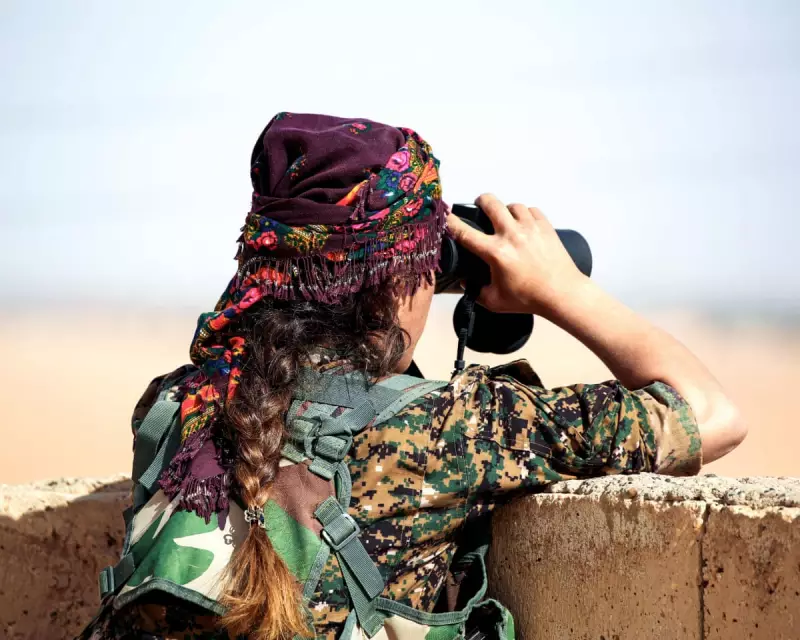
The most radical and inspirational advance is unfolding in perhaps the unlikeliest place: North and East Syria, known as Rojava. Born from the power vacuum of the Arab Spring and now governing nearly a third of Syria, the Democratic Autonomous Administration has engineered a bloodless revolution followed by a fierce war against Islamic State.
Rojava's system is a unique experiment in direct grassroots democracy. Neighbourhood communes elect a man and a woman as co-presidents to town councils, creating a bottom-up political structure. Crucially, a parallel, women-only structure holds veto power over any policy affecting women's rights.
The region has enacted sweeping reforms, consciously pinning its colours to secularism. It has banned child marriage, polygamy, and dowries, criminalised so-called 'honour' killings, introduced civil marriage, and guaranteed women equal inheritance and child custody rights regardless of marital status. This stands in stark contrast to the UK, where Sharia councils still operate.
A Flame That Must Be Protected
This revolutionary project is under severe threat. It faces bombardment from Turkey, a NATO ally to which the UK sells arms, and risks being subsumed by the central Syrian government's Sharia-based policies, which would spell the end of its egalitarian ideals.
The survival of Rojava's model, even as an idea, depends on international solidarity. Gupta and Campbell argue that women worldwide must establish their own assemblies in available civic spaces to build democratic muscle. The flickering flame of liberty in Rojava, and the enduring fight in places like Iceland and El Salvador, illuminates a path forward. Supporting these struggles is not just an act of solidarity but a necessity for securing a feminist future everywhere.






