Andy Burnham's third coming began on the dancefloor of the Ministry of Sound at the Compass conference in May 2025. Under hot pink lights, the Greater Manchester mayor joked he was doing the "rally the troops" slot, but said the threat of Reform meant "the left will now have to make changes that we should have made many years ago … something new is going to break through." The reception was rapturous, but no one knew what it meant in practice.
The missing element: Louise Haigh
Neal Lawson, Compass director and close Burnham friend, introduced Louise Haigh as the other keynote speaker. It was Haigh's first critical intervention since her sacking as transport secretary. "Too often over the last few months, we have chosen caution and consensus over the boldness voters expect," she said to cheers. Few Labour higher-ups attended; one senior adviser said they "stayed away – because I knew that someone would look back and write about this one day."
Dissatisfied MPs and the welfare bill
By summer 2025, Labour MPs doubted Starmer could meet the threat from the populist right. Even centrist MPs in the Labour Growth Group were dissatisfied. Josh Simons, once the golden boy of Starmerism, began talking to friends about replacing him with Burnham. Three separate operations emerged: the launch of Mainstream, a Compass-founded campaign group; a phase initiated by Haigh, Anneliese Midgley, and Ed Miliband to make Burnham the consensual will of MPs; and the involvement of Simons, whom many initially thought was a No 10 double agent.

Rumours of return
In September 2025, Starmer's premiership hit its worst month: Elon Musk addressed Tommy Robinson's far-right march, Angela Rayner was forced out over tax affairs, a reshuffle infuriated junior ministers, and Peter Mandelson was sacked as US ambassador. The Guardian revealed Burnham was becoming the receptacle for plotting MPs. Before the Labour conference, Burnham broke cover with critical media interviews. Steve Rotheram, mayor of Liverpool, said: "Andy was only saying what we were all saying, but everything he says is magnified."
Burnham's comment to the New Statesman that "we've got to get beyond this thing of being in hock to the bond markets" moved markets and dogged him through the conference. Many MPs left believing Burnham was not serious or lacked a competent operation. One minister said: "He's said some dumb things … but the fundamentals are unfortunately absolutely correct. It isn't working and we need a radical change."
Seeking a seat
Graham Stringer rebuffed early inquiries about his seat. Andrew Gwynne, MP for Gorton and Denton, applied for medical retirement then changed his mind. Burnham's backers remained sanguine. "Maybe half a dozen" seats were options. But when the seat suddenly heaved back into view, the operation was not ready. Fewer than 60 MPs signed a letter demanding Burnham be allowed to contest Gorton and Denton. Labour came third behind the Greens and Reform. "Gorton and Denton was amateur hour," one team member admitted.
Seizing the initiative
By March 2026, Labour's May election results looked catastrophic. MPs approached Ed Miliband suggesting he run for leader, but he emphatically refused, urging them to focus on getting Burnham into parliament. Haigh seized the initiative. She visited Burnham in March, telling him: "You have to meet the PLP halfway." Burnham agreed to try again after May, this time being upfront about his ambitions.
Angela Rayner was sceptical. Burnham met her at her constituency home in Ashton in April but left without an agreement. Rayner met Haigh but again no deal was reached.
Makerfield opening
On election night in May 2026, Haigh watched Labour lose all but three of its held seats. She and Midgley called for Starmer to go. A tight circle of three or four people began securing a seat for Burnham. The identified seat, Manchester Rusholme, was denied by MP Afzal Khan. Inquiries were made of Marie Rimmer and others. Then Josh Simons, facing defeat in his Makerfield constituency, believed Burnham was the only politician who could win there. Burnham visited Simons and his wife, Leah, grilling them on economics and bond markets for two hours.

Makerfield, next door to Burnham's old patch of Leigh, was 29th on Reform's target list. Several allies advised against it, but Burnham wanted to march into the heart of a Reform seat. "He would not have had that mandate if he had won Gorton and Denton," one team member said. Starmer's authority was no longer enough to block Burnham. Burnham filmed part of his launch video before he was sure of a constituency.
Campaign and victory
Anneliese Midgley ran the campaign from the Stubshaw Cross community centre. Inside data quickly showed Burnham's race was not tight. On result night, Rotheram predicted 49% of the vote; Burnham replied, "I don't think it's going to be that." He won 55% of the vote, propelling him on a dizzyingly fast route to No 10. Rotheram, who convinced Burnham to leave Westminster nine years ago, said: "I remember reading about the Beatles working hard for four or five years to be an overnight success. This for Andy is the culmination of 16 years of work."
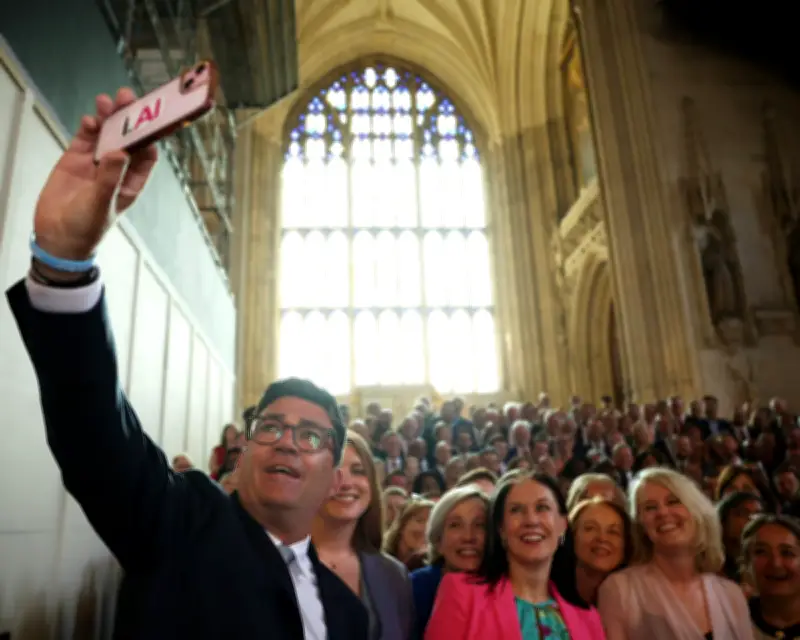
By the time Burnham arrived at Westminster Hall, Starmer had resigned. One MP said: "Even the most loyal Keir people know they have a better chance of keeping their seats with Andy. That's not saying he is the messiah. But it is a fact." Burnham now has less than a fortnight to build a new government from a cramped office loaned by Bury South MP Christian Wakeford. It is a bit soft left, a bit New Labour, a bit Blue Labour, but definitely Lou Labour.