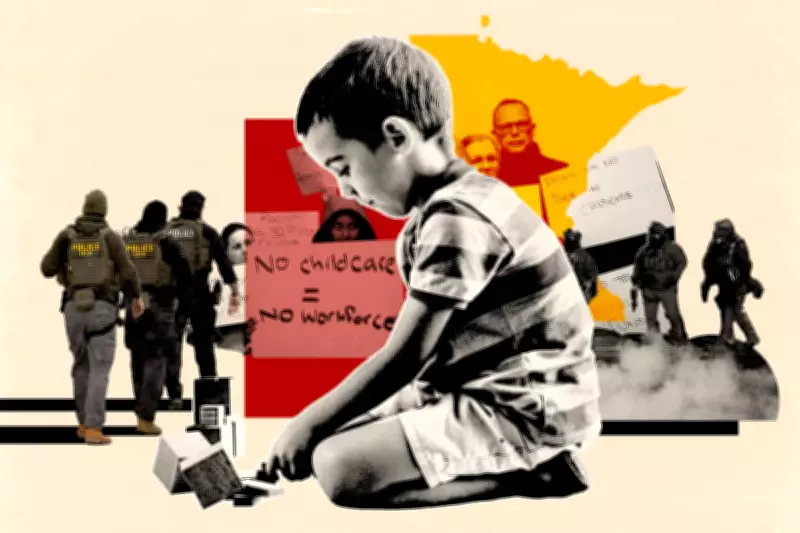
Minneapolis Childcare Center Navigates ICE Operation with Community Support
In the heart of Minneapolis, a Spanish-immersion childcare center faced unprecedented challenges when federal immigration agents intensified operations in the Twin Cities. Operation Metro Surge, launched in January, brought thousands of U.S. Immigration and Customs Enforcement (ICE) officers to Minnesota, creating a climate of fear among immigrant communities. The center, serving approximately 50 children from three months to five years old, found itself at the epicenter of this enforcement action, forcing staff and families to adapt rapidly to ensure safety and continuity.
Elderly Volunteers Step Up as Protectors and Drivers
As tensions escalated, dozens of volunteers, predominantly over the age of 70, mobilized to support the childcare center. Affectionately nicknamed "abuelitas" by staff, these elderly individuals, many from suburban areas, organized shifts to drive immigrant employees to and from their homes across Minneapolis. Their mission extended beyond transportation; they served as observers and interpreters, prepared to intervene if ICE agents stopped staff during commutes. Despite most volunteers having no grandchildren at the center, they embraced this role with dedication, recognizing the vulnerability of immigrant workers in the current political climate.
Michael, the husband of the center's director, exemplified this commitment by leaving his own job early each afternoon to monitor security footage, watching for any vehicles that might signal an ICE presence. "I'm just doing what I can do," said Sarah, a 71-year-old volunteer driver. "I'm white, I'm 71. I think I would not be treated like she might be treated." The volunteers, who requested anonymity for fear of attracting federal attention, highlighted the racial and age disparities in how immigration enforcement is perceived and experienced.

The Impact of Operation Metro Surge on Childcare Operations
The surge in ICE activity followed a controversial video by right-wing influencer Nick Shirley, which alleged fraud in Somali-run daycares in Minneapolis. Although many claims were later debunked as false and misleading, the video went viral, amplified by figures like Vice-President JD Vance and Attorney General Pam Bondi. On January 5, the Trump administration cited this video as justification for deploying an additional 2,000 ICE and border patrol agents to Minnesota, bringing the total to about 3,000 officers—nearly triple the number of police in the Twin Cities.
This escalation had immediate consequences. After an ICE agent shot and killed Minneapolis resident Renee Good on January 7, most of the center's employees went into hiding, forcing a six-day closure. Diana, the center's director, noted that even staff with legal authorization to be in the U.S. were terrified, with many carrying passports due to fears of being detained without due process. The crisis led to twelve children withdrawing from the center, resulting in a staff layoff and financial strain.
Mutual Aid Networks and Sustainability Concerns
In response, the center tapped into elaborate mutual aid systems, connecting with non-profits and volunteers to coordinate support. Lily Crooks, who assists childcare centers in linking with resources, emphasized the necessity of such networks. "You literally have to have a good network to survive, because it's not as though there is a government organization coming to help," she said. At her St. Paul center, a fundraiser raised $5,000 for Lyft gift cards, allowing employees and parents to avoid bus stops where ICE agents were known to operate.
Volunteers like Sarah and her 76-year-old husband underwent training on how to handle ICE encounters, including protocols like checking for warrants and avoiding lies. Sarah, who turns off her smartphone's location services during rides, acknowledged the risks. "Oh, it's risky," she said. "I still need to find the strength and courage to do what I know is right." Her experiences, shaped by the civil rights movement, reflect a broader generational call to action against oppression.

Moving Forward with Resilience and Resistance
By early March, as Operation Metro Surge reportedly wound down, most employees had regained enough confidence to drive themselves to work again. However, the emotional and logistical scars remain. P, a childcare worker driven by volunteers, expressed frustration through a Spanish interpreter. "It's not OK that someone feels unsafe in a safe country," she said, using air quotes around "safe." She emphasized the necessity of survival and resistance, echoing the Spanish concept of "resistencia"—a blend of resistance and endurance.
Diana, the director, remains cautious. "This is not over," she warned. "And maybe it's going to take years." Despite the challenges, the center's organizing efforts offer lessons for other communities facing similar threats, highlighting the power of grassroots support in the absence of governmental aid. As volunteers and staff continue to navigate this uncertain landscape, their story underscores the enduring impact of immigration policies on everyday lives and the resilience required to persevere.