Grooming Gangs Inquiry Chair Pledges to Confront 'Uncomfortable Truths' in Landmark Review
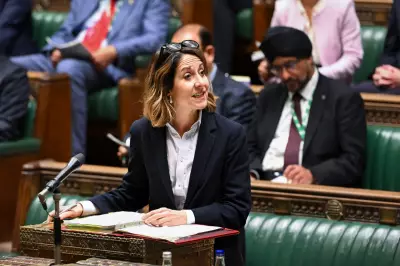
Baroness Anne Longfield, the newly appointed chair of the statutory independent inquiry into grooming gangs, has vowed to "not flinch from uncomfortable truths" as she launches the terms of reference for the long-awaited investigation. The former children's commissioner made this commitment in her first official statement since being appointed to lead the inquiry last December.
Focus on Grooming Gangs and Institutional Failures
The inquiry will specifically examine sexual exploitation by grooming gangs, distinguishing it from other forms of sexual abuse such as individual, familial, or institutional cases. Baroness Longfield emphasized that the review will investigate why institutions that were supposed to protect children "so often chose not to act."
Key areas of investigation will include:

- Police forces and local authorities that failed to protect vulnerable children
- Whether ethnicity, culture, or religion of perpetrators or victims influenced patterns of offending
- How these factors shaped institutional responses to grooming gang activities
Addressing Previous Avoidance of Sensitive Issues
In what appears to be a direct criticism of earlier investigations, the inquiry team stated: "These are questions that previous reviews chose not to address. This inquiry will not avoid them." Baroness Longfield added with stark clarity: "Children across England and Wales were - and still are - sexually abused and exploited by grooming gangs. Raped. Trafficked. Threatened into silence."
The inquiry is scheduled to complete its work by March 2028 with a substantial budget of £65 million. It will establish offices in London, Leeds, and Wales to facilitate comprehensive investigation across multiple regions.
Overcoming Challenges and Building Trust
The inquiry team faces several significant challenges, including concerns that the chair is not a judge, previous reluctance to address ethnic factors in grooming gang cases, and deep skepticism from survivors who fear another whitewash. Over the past three months, the team has met with dozens of victims and survivors to address these concerns and shape the terms of reference.
The inquiry has committed to several transparency measures:
- Publishing findings as the investigation progresses
- Exposing evidence against institutions under scrutiny
- Examining a 30-year period beginning in 1996
Investigative Scope and Supporting Inquiries
The inquiry will investigate how grooming gangs operated and maintained their activities over extended periods, what various institutions knew about these operations, and what actions they did or did not take. While Baroness Longfield is not a judge, she will utilize legal assistance within her budget, and the inquiry will possess statutory powers to compel reluctant witnesses to provide evidence.
Baroness Longfield will be supported by two panel members: Zoë Billingham, with extensive experience inspecting public services, and Eleanor Kelly, former Southwark chief executive who oversaw the response to the Grenfell disaster. "Together, we bring decades of experience in protecting and promoting the interests of children," Baroness Longfield stated.
Alongside the national inquiry, several local inquiries will be conducted with budgets of £5 million each, including confirmed investigations in Oldham and potential inquiries in Bradford following local pressure.
Political Context and Development Timeline
The government faced increasing political pressure for this inquiry in January last year following social media commentary about grooming gangs in the UK. Prime Minister initially ordered a rapid national audit but resisted a full national inquiry until June, when Louise Casey's audit revealed "ignorance, prejudice, and defensiveness contributed to a collective failure to protect children" and identified flaws in ethnicity data collection.

The appointment process experienced setbacks when two initial candidates for chair withdrew following negative reactions from survivors, many of whom preferred a judge to lead the investigation. Baroness Longfield was ultimately appointed in December.
Recent concerns have been raised by Conservative MP Robbie Moore regarding potential destruction of evidence due to delays in government instructions to preserve records. A Home Office spokesperson responded: "Since Baroness Casey's National Audit, we have worked across government to ensure records relevant to the draft Terms of Reference are appropriately retained by public sector organizations."
Government Support and Forward Momentum
Home Secretary Shabana Mahmood expressed strong support for the inquiry, describing the grooming gangs scandal as "one of the darkest moments in our country's history." She confirmed that the inquiry would be "laser-focused on grooming gangs" and would explicitly examine the role of ethnicity, religion, and culture in both offending patterns and institutional responses.
"There will be no hiding place for the predatory monsters who committed these vile crimes," Mahmood declared. The inquiry is scheduled to begin its formal investigation on April 13, marking a significant step toward addressing one of the most troubling chapters in recent British social history.