IRS Technical Glitch Obscures Millions in Political Contributions
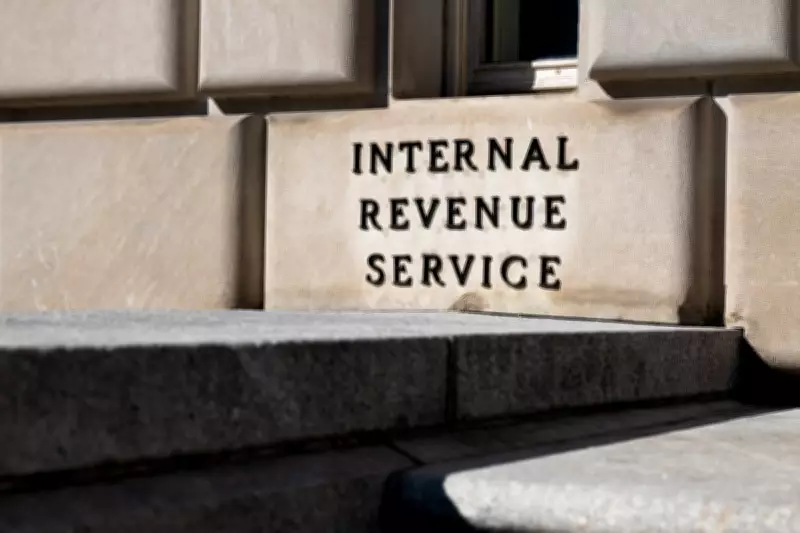
A significant technical malfunction at the Internal Revenue Service (IRS) has effectively concealed millions of dollars in campaign donations to state-level political organizations, according to an exclusive report from a leading campaign finance watchdog. The error, which emerged in the second half of 2025, has left a staggering $51 million in contributions unaccounted for, raising serious concerns about transparency during a pivotal election cycle.
Watchdog Reveals Discrepancy in Financial Disclosures
The Center for Political Accountability (CPA), a non-profit organization dedicated to monitoring corporate political spending, identified the alarming discrepancy in February. This period typically marks the public release of donor and expenditure lists from the previous year, following a mandatory January 31 deadline. However, numerous disclosure forms remain conspicuously blank, replaced by a recurring message citing an "IRS technical issue preventing e-file reporting."
Jeanne Hanna, Vice-President of Research at the CPA, emphasized the unprecedented nature of this disruption. "This represents a major departure from established norms for what has historically been a routine process for major political entities," Hanna stated. "We are entering a midterm election year characterized by anticipated heavy spending on state races. These groups coordinate substantial portions of that expenditure, making transparency paramount."

Affected Organizations and the Scope of the Issue
The glitch specifically impacts 527 organizations, which are tax-exempt political campaign groups regulated by the IRS. These entities are required to annually report itemized lists of donors contributing over $200 and expenditures exceeding $500. Among the influential groups affected are:
- The Republican Attorney General’s Association (RAGA)
- The Republican State Leadership Committee (RSLC)
- The Democratic Legislative Campaign Committee (DLCC)
Collectively, donations to these three organizations alone totaled $41 million for the latter half of 2025. While the DLCC's filing included a link to its website hosting a full disclosure, both the DLCC and RSLC declined to comment on the ongoing technical problems. RAGA did not respond to requests for comment.
The Republican Governor’s Association (RGA) was also impacted, with $32 million in donations from last year not initially itemized. The group managed to submit an amended filing with a complete list earlier this week but has not commented publicly on the matter.
Context of Staff Reductions and Historical Precedent
This technical failure occurs against a backdrop of significant workforce reductions at the IRS. Following substantial cuts implemented last year by the Department of Government Efficiency (DOGE), the agency has seen over a quarter of its staff eliminated. A similar glitch occurred the previous summer but was resolved promptly, allowing 527 organizations to upload their lists without major delay. Currently, however, the IRS has not provided any public timeline for fixing the disclosure forms.
"There has been complete radio silence regarding the nature of this issue and its resolution," Hanna noted. "It is rapidly becoming an information black hole." An IRS spokesperson initially claimed on February 18 that the problem had been resolved but failed to respond to subsequent follow-up inquiries.
Implications for the 2026 Election Cycle and Beyond
The reporting frequency for these organizations intensifies during election years. With 2026 being an election year, 527 groups must file reports quarterly, with the next deadline looming on April 15. The ongoing glitch threatens to undermine the transparency of these critical disclosures.

Bruce Freed, President and Co-Founder of the CPA, highlighted the growing influence of 527 organizations over the past decade, partly due to partisan gridlock at the federal level. "These groups have become dominant recipients of corporate political funding," Freed explained. "They are absolutely crucial, particularly on the Republican side, for reshaping state and national politics and policy." State attorneys general, for instance, have gained considerable power by collaborating on multi-state lawsuits to challenge federal actions, such as the effort to block President Biden's student loan relief plan.
Systemic Challenges and Official Warnings
In a January report to Congress, National Taxpayer Advocate Erin Collins warned that the IRS faces formidable challenges in the current year. "The 2025 filing season proceeded smoothly largely because the IRS maintained its largest workforce in years and encountered no major tax law changes requiring immediate implementation," Collins stated.
"The landscape for 2026 is markedly different. The agency is simultaneously confronting a 27% reduction in its workforce, significant leadership turnover, and the implementation of extensive tax law changes mandated by recent legislation." These systemic issues compound the technical glitch, creating a perfect storm that jeopardizes the integrity of political finance transparency as the nation approaches a high-stakes election cycle.