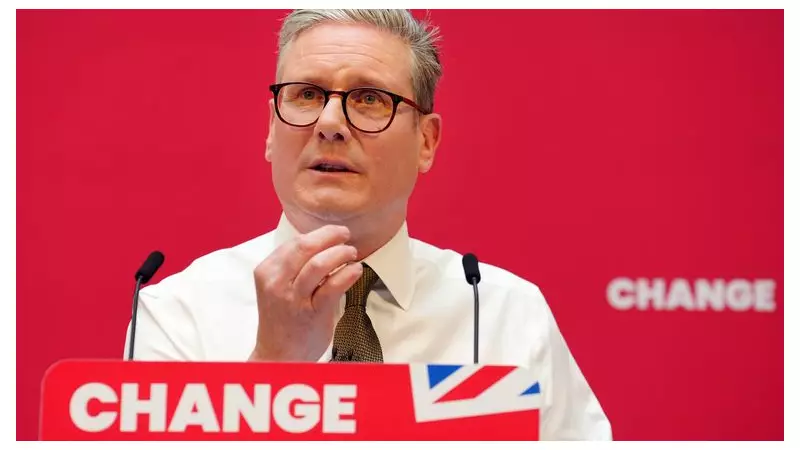
Prime Minister Sir Keir Starmer has directly addressed public frustration, pledging that the transformative change he campaigned on will finally become a reality for Britons in 2026.
A Pledge for Tangible Improvement
In his New Year's address, Sir Keir acknowledged that his government has not yet delivered on the central promise of change that featured prominently in the 2024 election manifesto. He conceded that for many, life remains difficult, with families lacking the disposable income for treats like a meal out, a holiday, or making special family moments "extra special".
The Prime Minister, who has faced slumping popularity ratings and rumours of leadership challenges, positioned the coming year as a decisive turning point. "In 2026, the choices we've made will mean more people will begin to feel positive change in your bills, your communities and your health service," he stated.

Concrete Promises for the Year Ahead
Sir Keir outlined specific milestones for the government's agenda, including deploying more police on the streets by March and reducing energy bills while increasing the number of new health hubs from April. He also promised more funding for local communities.
He framed his administration's mission as reversing "a decade of decline" under the Conservatives, but tempered expectations by confirming that national renewal was "not an overnight job" and that the challenges faced were "decades in the making".
Political and Economic Headwinds
The Prime Minister's message comes against a backdrop of significant pressure. Beyond domestic political jeopardy, he cited sluggish economic growth both in the UK and worldwide, coupled with an unstable international landscape on several fronts. Despite this, he vowed to get Britain "back on track".
The address also triggered responses from opposition leaders. Conservative leader Kemi Badenoch used humour in her own message, quipping, "There is a lot to look forward to this year. No, not Labour's tax rises!" She highlighted low growth, higher taxes, and unemployment in 2025, promising a "Get Britain Working again" plan focused on business support.
Meanwhile, Liberal Democrat leader Sir Ed Davey celebrated his party's local election performance in May 2025 and looked ahead to the next round of votes. "We can win again in 2026," he said, adding the goal was "to stop Trump's America becoming Farage's Britain."
Sir Keir Starmer's core message aimed to reignite a sense of hope, concluding: "But even more people will feel once again a sense of hope, a belief that things can and will get better... and my government will make it that reality."