Government Announces Formal Start of Official Orgreave Inquiry
The UK government has officially launched the long-awaited inquiry into the violent events at the Orgreave coking plant during the 1984-85 miners' strike. This statutory investigation, chaired by Pete Wilcox, the bishop of Sheffield, aims to bring justice and transparency to one of the most notorious incidents in British industrial history.
Historical Context of the Orgreave Violence
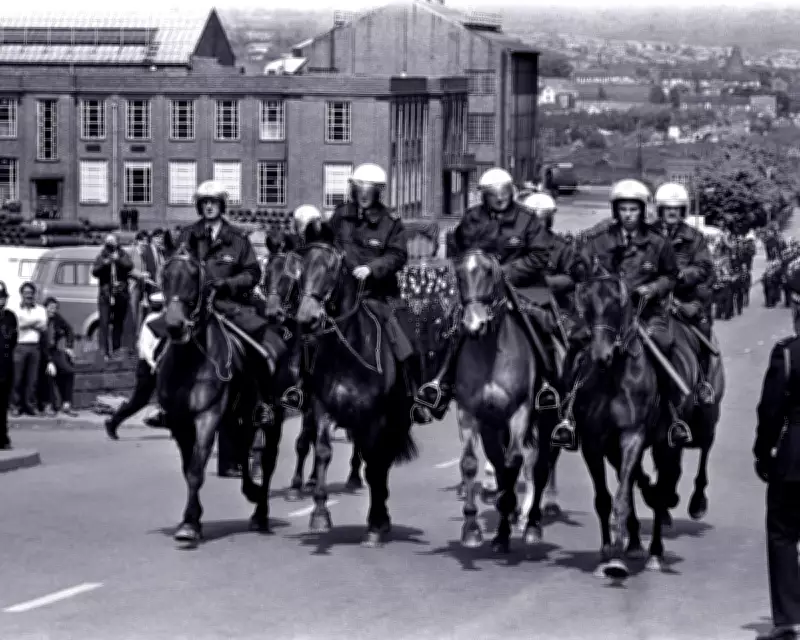
On June 18, 1984, approximately 8,000 miners gathered for a mass picket at Orgreave, three months into the National Union of Mineworkers' strike against planned pit closures. They were met by 6,000 police officers from forces across the country, led by South Yorkshire police. The confrontation escalated into widespread violence, with police charging miners on horseback and striking men with truncheons.
The aftermath saw 95 miners prosecuted, but these cases collapsed in June 1985 when police evidence was discredited in court. Michael Mansfield, who represented several defendants, famously described the prosecutions as "the biggest frame-up ever."

Terms and Timeline of the Inquiry
The inquiry's terms of reference mirror those of the landmark Hillsborough Independent Panel, focusing on achieving the fullest possible disclosure of information. The panel is tasked with producing a comprehensive report by spring 2028, which will "aid public understanding" of the events at Orgreave.
Originally announced in July by then home secretary Yvette Cooper, the government has since assembled an expert panel to examine the evidence thoroughly. The inquiry's formal commencement marks a significant step toward addressing decades of unresolved trauma and injustice.
Panel Composition and Campaign Response
The four-member panel includes Wendy Williams, a former chief prosecutor and police inspector; Mary Bousted, former joint general secretary of the National Education Union; Joanna Gilmore, a senior law lecturer specializing in public order and policing; and Angela Sutton-Vane, a historian with expertise in police records.
The Orgreave Truth and Justice Campaign, formed in 2012 to push for a statutory inquiry, welcomed the announcement while expressing disappointment at the prolonged timeline. Campaign members, including former striking miners, emphasized their determination to ensure the inquiry is shaped by miners' experiences rather than being police-led.
Official Statements and Commitments
Policing minister Sarah Jones stated the panel's primary goal is to "get to the truth" about Orgreave. She highlighted the palpable sense of injustice among campaigners and stressed the importance of creating a safe environment for individuals to share their stories.
Bishop Pete Wilcox affirmed his commitment to independence, vowing to "follow the evidence without prejudice, wherever it may lead." South Yorkshire police have pledged full cooperation with the inquiry, acknowledging the need to address historical grievances.
This inquiry represents a critical effort to reconcile past wounds and foster accountability, potentially reshaping public perceptions of policing and industrial relations in the UK.