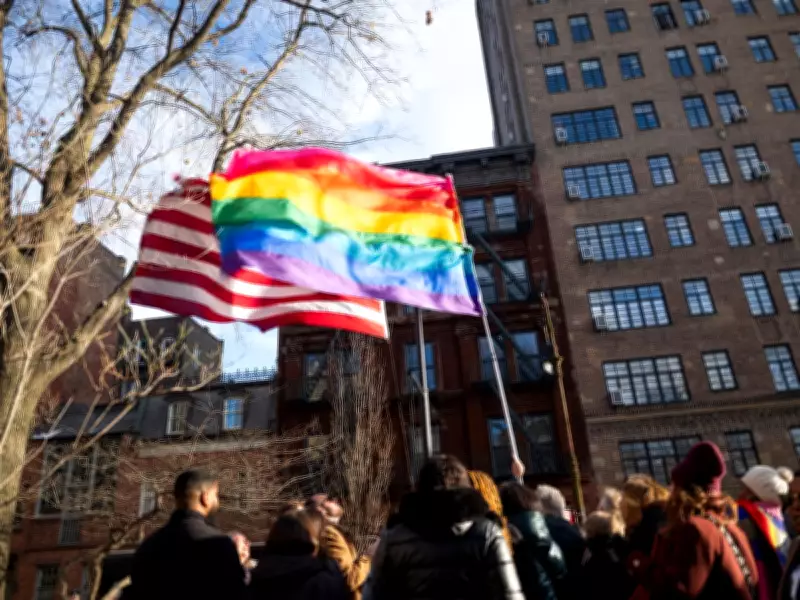
In a significant reversal of policy, the Trump administration has agreed to continue flying the rainbow Pride flag at the Stonewall national monument in New York City, following its controversial removal earlier this year. This decision comes as part of a settlement to a lawsuit filed by LGBTQ+ and historic preservation groups, who sought to block the flag's removal, marking a pivotal moment in the ongoing debate over the monument's symbolic representation.
Legal Settlement and Flag Display Details
According to court documents, the interior department and National Park Service have confirmed their intention to maintain the Pride flag at Stonewall, ensuring it will not be removed except for maintenance or other practical purposes. Under the agreement, within a week, the park service will hang three flags on the monument's flagpole, each measuring 3 feet by 5 feet. The Pride flag will be positioned between the US flag and the park service flag, creating a visible and symbolic display of inclusion.
Historical Context and Activist Campaigns
The Stonewall national monument, established by Democratic president Barack Obama in 2016, centers on a small park across from the Stonewall Inn, where a 1969 police raid sparked an uprising that catalyzed the modern LGBTQ+ rights movement. After years of campaigning by activists, the Pride flag was formally installed in 2022 during Joe Biden's presidency, with park service officials in New York calling it a sign of the government's commitment to telling the diverse histories of all Americans.

However, in February, the park service removed the flag, citing compliance with federal guidance on flag displays. A memo from 21 January largely restricts the agency to displaying the US, Department of the Interior, and POW/MIA flags, with exemptions for providing historical context. This move was seen by LGBTQ+ activists as a targeted affront, diminishing a site dedicated to their fight for rights and visibility.
Political Reactions and Advocacy Efforts
Following the flag's removal, advocates and New York Democratic elected officials quickly responded by raising another rainbow flag at the site, after heated moments over its placement. This action highlighted the deep political divisions surrounding the monument. The Trump administration's policies have included targeting diversity, equity, and inclusion initiatives, as well as protections for transgender people, leading to the removal of many references to transgender individuals from the monument's website and materials.
Moreover, the administration has placed national parks, museums, and landmarks under scrutiny, aiming to remove or alter materials deemed divisive or partisan. The Pride flag at Stonewall had become a flashpoint in arguments over Donald Trump's approach to this historic site, the first national monument commemorating LGBTQ+ history, and other properties.
Implications for LGBTQ+ Rights and Historical Preservation
The agreement to keep the Pride flag flying represents a victory for LGBTQ+ advocates, reinforcing the monument's role in preserving and interpreting the history of the LGBTQ+ rights movement. While the park service insists that the site remains committed to its mission through exhibits and programs, this settlement underscores the importance of symbolic gestures in public spaces. A judge must still approve the agreement, but the decision signals a potential shift in how the government handles such contentious issues.
This development also reflects broader tensions in US politics, particularly around LGBTQ+ rights and historical narratives. As the Trump administration continues to influence policies on diversity and inclusion, the Stonewall monument serves as a critical battleground for visibility and recognition, with the Pride flag standing as a powerful emblem of resilience and pride in the face of adversity.