Voters Punish Centrists as Trump-Aligned Candidates Surge in US Primaries
The United States primary elections on Tuesday delivered a powerful message about the shifting political landscape, with voters punishing centrist incumbents and propelling Trump-aligned candidates to victory in key races across Texas and North Carolina. Simultaneously, Democrats demonstrated unexpected strength in Arkansas, offering a complex preview of the turbulence expected in the 2026 midterm elections. Beyond the high-profile Senate nominations, these down-ballot contests revealed how the electorate is reacting to the Trump administration's rapid policy changes and whether Democrats are rebuilding momentum after their 2024 losses.
Key Takeaways from the Primary Election Results
1. Dan Crenshaw Falls to More Trump-Aligned Challenger
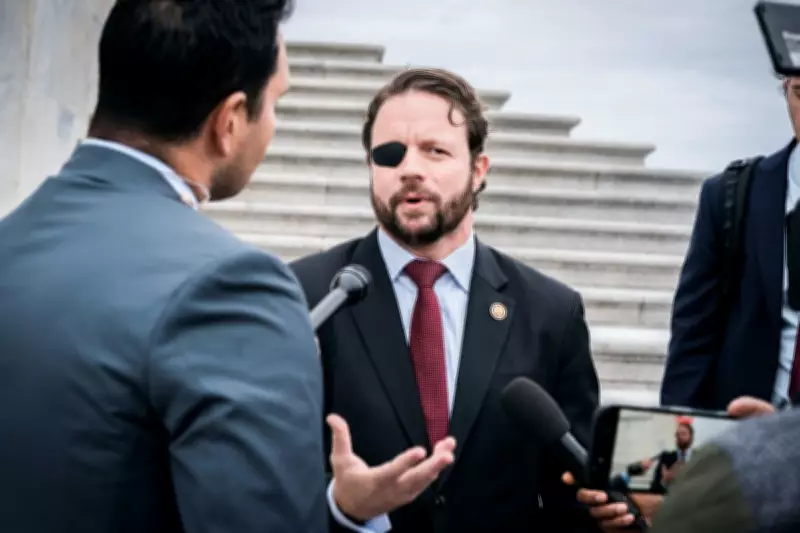
Republican Congressman Dan Crenshaw of Texas became the first member of the House of Representatives to lose re-election this year, defeated in his primary by rightwing state representative Steve Toth. Representing a Houston-area district since 2019, Crenshaw had distanced himself from Donald Trump's baseless claims about the 2020 election, shown willingness to negotiate with the Biden administration on immigration reform, and clashed with conservative commentator Tucker Carlson. Republican voters overwhelmingly backed Toth, who secured nearly 56% of the vote compared to Crenshaw's 41%, signaling a clear preference for candidates aligned with Trump's agenda.

2. Voters Turn on Green and Gonzales in Texas
Two additional Texas congressmen are facing potential defeat. Long-serving Democrat Al Green, known for being ejected from Congress for protesting Trump, is trailing fellow congressman Christian Menefee, who recently won a special election. The two were forced into competition due to Texas's mid-decade redistricting, and their race will be decided in a runoff on May 26. Meanwhile, conservative YouTuber Brandon Herrera leads Republican Congressman Tony Gonzales, who has faced calls to resign over allegations of pressuring an aide into an affair. This race will also go to a runoff, highlighting the volatile nature of these primaries.
3. Surprise Democratic Strength in Arkansas
In a notable upset, Democrat Alex Holladay defeated Republican Bo Renshaw for a seat in Arkansas's house of representatives, winning 57% of the vote. This marks a significant shift from just two years ago, when a Republican narrowly won the same seat. While the Republican party maintains dominance in Arkansas and Holladay's victory won't break their majority, it could indicate increased Democratic enthusiasm ahead of the November midterms, suggesting potential challenges for Republicans in traditionally safe districts.
4. Rebellious Democrats Ousted in North Carolina Turmoil
North Carolina voters ousted Democratic state lawmakers Shelly Willingham, Nasif Majeed, and Carla Cunningham, all of whom had occasionally collaborated with the Republican majority to override Democratic governor Josh Stein's vetoes. In a closely watched race, Republican state senate leader Phil Berger, endorsed by Trump, is trailing primary challenger Sam Page by just two votes, with a recount possible. Page, a strong Trump supporter, challenged Berger from the right, accusing him of being too lenient on immigration issues, reflecting the internal strife within the Republican party.
5. Democratic Congresswoman Foushee in Tight Race with Progressive Challenger
The Democratic primary for Congresswoman Valerie Foushee is too close to call, with progressive challenger Nida Allam trailing by approximately 1,200 votes, according to the Associated Press. Allam, a Durham county commissioner, centered her campaign on opposition to a massive datacenter proposed for the area, while Foushee has stated the issue should be decided locally, though she does not personally support it. The race saw significant outside spending and may head to a recount, underscoring the intense divisions within the Democratic party over progressive versus moderate approaches.

Implications for the 2026 Midterm Elections
These primary results underscore a broader trend of voter dissatisfaction with centrist politicians and a surge in support for candidates closely aligned with Trump's ideology. The defeats of figures like Crenshaw and the challenges faced by others suggest that the Republican base is increasingly prioritizing loyalty to Trump over traditional party establishment. Meanwhile, Democratic gains in Arkansas and tight races in North Carolina indicate that Democrats may be capitalizing on Republican infighting to rebuild support, though internal party conflicts remain a hurdle. As the 2026 midterms approach, these outcomes signal a period of significant political turbulence, with both parties grappling with internal divisions and shifting voter allegiances that could reshape the congressional landscape.