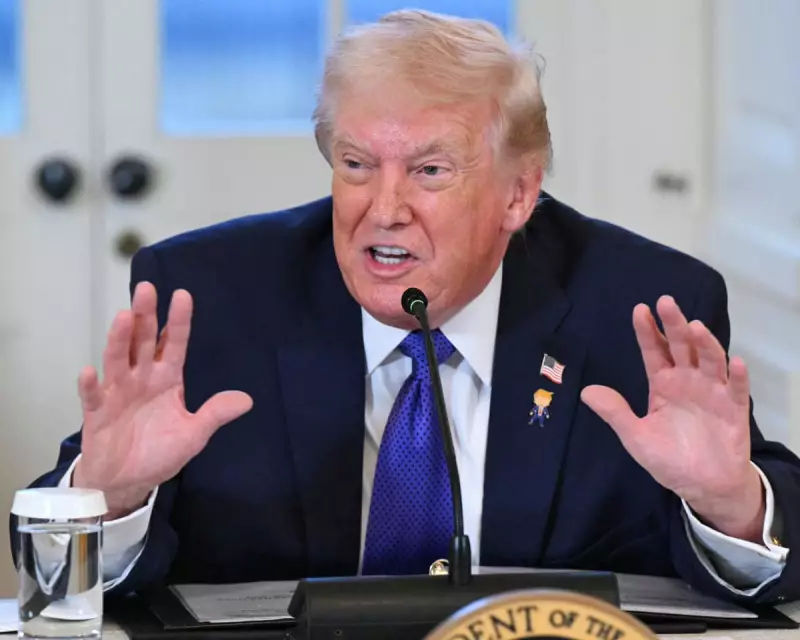
The assertion by former US President Donald Trump that the only constraint on his executive power is his "own morality" has provoked a sharp response from Guardian readers, who point to his legal history as a chilling counterpoint.
A Record of Legal Findings, Not Partisan Opinions
Trump made the comment in the context of discussing international law and his actions towards Greenland, stating he did not need such frameworks. Readers were quick to highlight that a lifetime of evidence shows his proclaimed morality in action. They note that courts and juries have delivered evidence-based legal findings against him, including guilt for falsifying business records, liability for sexual abuse and defamation, and responsibility for misusing charitable funds for political ends.
The consensus among the correspondents is that the pattern displayed is not one of moral restraint, but of self-licensing. For Trump, they argue, truth is a tactical tool, and rules are followed only when convenient. The response to challenge is typically retaliation, not accountability.

International Law as a Necessary Check
This self-declared morality, offered as a substitute for international law, is presented as the very reason such laws exist. Readers contend that international frameworks are designed to restrain leaders who govern solely by their own judgment, without external standards. The implication is that Trump's worldview confirms the necessity of these checks and balances.
Broader Fears of a 'Proto-Fascist' Shift
The reaction extends beyond Trump's personal conduct to the nature of his administration. One letter references comments by Peter Mandelson, who suggested Europe should appreciate Trump's "decisive approach" over the "hand-wringing" of past US leaders. The reader strongly counters this, suggesting the European reaction stems from a dawning realisation of proto-fascist tendencies within the Trump administration.
They list concerning indicators: the coercion of citizens through legal and financial means, an undercurrent of fear from extreme supporters and ICE, the banning of books, disappearance of data from federal websites, the disregard for US law, the disputing of the 2020 election, and the labelling of inconvenient facts as "fake news". The reader concludes that commentators are reluctant to name what they see: the United States heading towards a fascist trajectory.
The letters, published on 8 January, collectively paint a picture of deep concern from a British perspective about the implications of a leader who places personal morality above established legal and international norms.