The Rise of Vice-Signalling: How Hatred Has Poisoned Modern Politics
Over the past decade, the landscape of political debate has undergone a radical transformation, deteriorating week by week into a more toxic environment. While the concept of virtue-signalling—performing progressive stances to enhance moral credentials—emerged in the early 2000s, its counterpart, vice-signalling, has risen as a far more dangerous force. Unlike virtue-signalling, which often aimed to systematise courtesy, vice-signalling involves breaking societal taboos to project authenticity and courage, fundamentally altering political rhetoric.
The Mechanics of Vice-Signalling
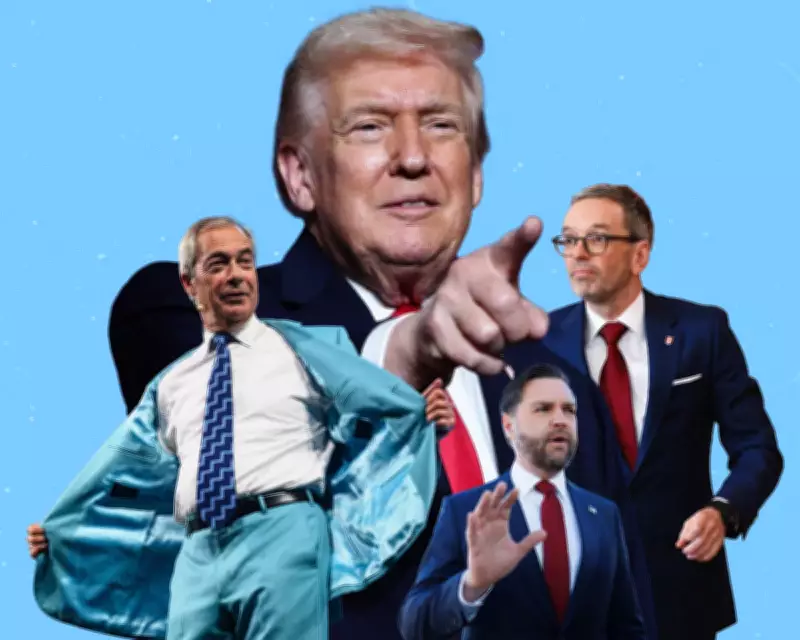
Vice-signalling is not merely the opposite of decency; it operates in a distinct rhetorical category, often used to dehumanise and provoke. A prime example is Donald Trump's 2015 campaign launch, where he infamously claimed Mexico was sending criminals and rapists to the U.S. This broke taboos against hate speech and racial stereotyping, signalling his willingness to defy establishment norms. More recently, Trump's video depicting the Obamas as apes exemplifies how such signals escalate, each event paving the way for more extreme rhetoric.
According to Ruth Wodak, emeritus professor at Lancaster University, vice-signalling is an attention-seeking strategy employed by the hard and far right to violate taboos, escalate discourse, and secure media coverage. It benefits political insurgents like Trump and Nigel Farage by breaking down barriers to entry in mainstream politics, as seen with figures such as Silvio Berlusconi, who continued making racist remarks even after years in power.

The Spread of Misogyny and Racism
Misogynistic vice-signalling has surged, with politicians like JD Vance and Tucker Carlson making derogatory comments about women, normalising radical sexism. This cascade effect emboldens allies, as seen when U.S. defence secretary Pete Hegseth reposted social media content suggesting women should not vote. Each signal shifts public perception, creating a trauma bond where relief is felt when leaders refrain from threats, as Tim Bale, politics professor at Queen Mary University of London, notes.
Vice-signalling is not new; figures like Jörg Haider in the 1980s used antisemitic rhetoric. However, today's provocations are more intense, with Elon Musk's apparent Nazi salute differing from past coded language like Ronald Reagan's Welfare Queen trope. The political risk has diminished, as establishment shunning no longer functions effectively, allowing hateful rhetoric to flourish without electoral consequences.
The Failure of Defences and Normalisation of Hate
Why do political parties and media fail to curb vice-signalling? The Republican Party's embrace of Trump after his 2015 speech, or Boris Johnson's career despite Islamophobic comments, highlights a breakdown in accountability. In Austria, Herbert Kickl uses clever rhetoric to express hate without legal repercussions, while Nigel Farage employs antisemitic tropes while maintaining a media persona. Right-wing media in the UK has exacerbated this, with print titles and broadcasters like GB News pushing boundaries to compete for attention.
This normalises hate, leading to "Empörung Müdigkeit" or fatigue at being angry, as Wodak describes. The broken windows theory applies: as hate speech becomes commonplace, societal care diminishes. Figures like Lee Anderson face outcry but find havens further right, demonstrating how vice-signalling creates fanbases and street violence, evidence of a manufactured crisis.
Shifting the Centre of Gravity
Vice-signalling shifts the political centre of gravity, dragging mainstream discourse toward extremism. In the UK, Keir Starmer's immigration speech and Shabana Mahmood's AI surveillance proposals reflect this influence. Progressives struggle to respond, often debating semantics rather than principles, as Alyssa Elliott of Indivisible notes, with many refusing to accept that traditional rules no longer apply.
Ultimately, vice-signalling delivers significant wins: attention, distraction from real issues, degradation of public discourse, and violence. It tells us the rules are over, and after countless signals, it's time to believe the message.