Vulnerable residents in Birmingham are being "set up to fail" within a rapidly expanding network of unregulated supported housing, a major investigation has uncovered. The city now hosts an estimated 30,000 units of so-called 'exempt' accommodation, with entire streets transformed by the controversial model.
A Life in Limbo: Moving Through 30 Homes
John Freeman, 37, embodies the human cost of the system. In just four years, he has cycled through approximately 30 different exempt accommodation properties across Birmingham. His stays repeatedly collapse due to a lack of meaningful support for his mental health and addiction issues.
"It's terrible. Putting people with mental health problems in a house of people with mental health problems with no supervision is not helping anyone," Freeman stated. He describes empty promises of support that vanish once tenants move in, leading to a chaotic cycle of displacement. "They're setting people up to fail. The whole thing is just a money-making scheme," he added.

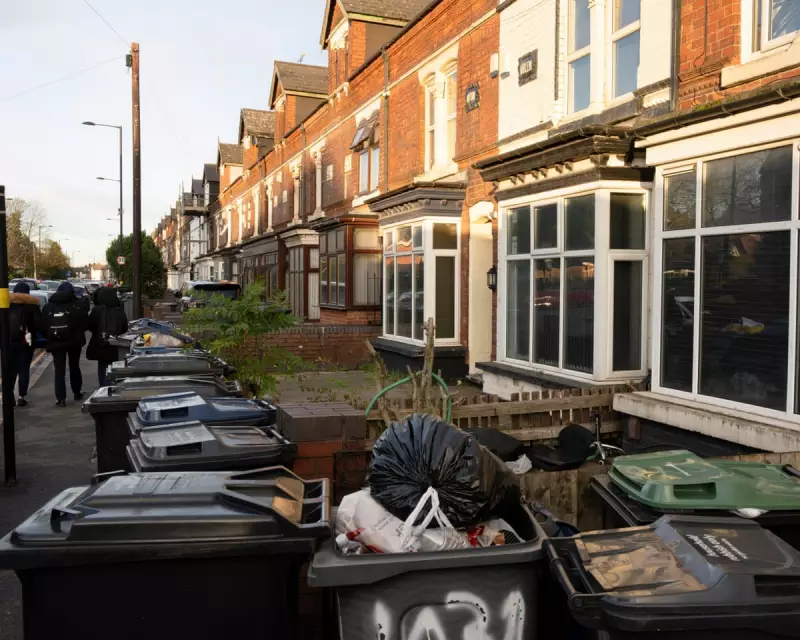
Freeman currently lives on Pershore Road in Selly Park, an area now saturated with such housing. Astonishingly, 42% of properties on this road are now exempt accommodation, many converted from former student lets. A local campaign group estimates 258 people are packed into 55 properties in this small area alone, representing about 12% of the local population.
Community Strain and Landlord Profit
The business model is clear. Landlords purchase cheap terrace houses, converting them from family homes into properties with six to nine bedrooms, often by cramming rooms into attics and extensions. These are then leased to exempt accommodation providers, who can claim significantly higher rents through housing benefit, despite frequently providing minimal actual support.
Freeman reports a support worker visits just once a week, leaving him to fend for himself in an environment he describes as chaotic. "You put people with all different conditions in one house with basically no supervision, so obviously there's going to be conflict," he said, citing sleepless nights due to drug use and noise.
Sarah, 32, who moved into nearby exempt accommodation after fleeing 13 years of domestic abuse, found the environment re-traumatising. "I couldn't sleep because people would be banging on my door asking me for money," she shared. "They shouldn't be putting us in homes with drug addicts and alcoholics, we've all gone through abuse in different ways."
Church Steps In Where System Fails
With statutory support often absent, local institutions like Christ Church Selly Park have become de facto crisis centres. Reverend Ben Green described new arrivals frequently turning up with "literally nothing, just the clothes they're in and a one-way bus ticket to Pershore Road."
The church now provides emergency food bags and volunteers have undergone training, but Green acknowledges the limits of their help. "We're mainly just here to try to be nice to people... but the level of support some people need is far more than we can offer. But then we're stuck because we know they're not getting it from somewhere else."
Community leader Chris Hasler pointed to a stark example on his street: a two-bedroom family home converted into a seven-bedroom exempt property, with ceilings lowered to create extra rooms without an extension. He links the proliferation of such homes to a sharp increase in antisocial behaviour, including drug dealing and violence, placing the area in the top 10% nationally for crime according to deprivation indices.
"Two years ago there was none of this sort of stuff on the street but it's really building up," Hasler said, warning of a tipping point beyond which the community character may be irreversibly lost. Despite frustrations, residents direct their anger at the failed system, not the vulnerable individuals caught within it. "These are vulnerable people. They've got to live somewhere. But it's how we manage it. They need to be getting the care for their own benefit and for the benefit of the community," Hasler concluded.