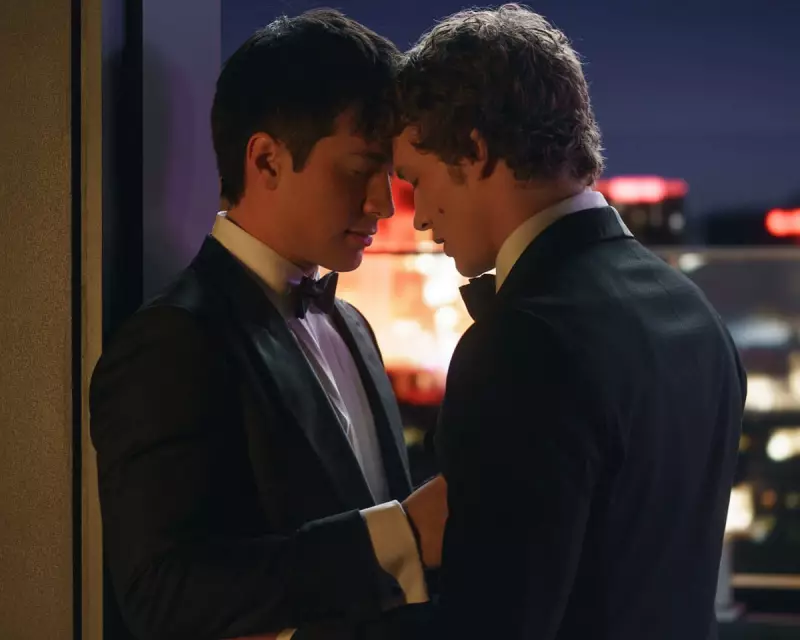
The surprise television hit of 2025, Crave and HBO's 'Heated Rivalry', has ignited more than just audience passion. The drama, centred on a clandestine romance between two top ice hockey prospects, has powerfully reopened a fraught debate about the National Hockey League's (NHL) persistent culture of silence surrounding LGBTQ+ players.
A Story Built on Secrecy
In a pivotal early scene, Canadian prodigy Shane Hollander turns to his Russian rival, Ilya Rozanov, after their first intimate encounter. "So. You're not going to tell anyone about this, are you?" he asks. The exchange, ending with Hollander's firm declaration that "no one can know," encapsulates a central, unspoken rule within professional hockey. The series uses this fictional narrative as a lens to examine the very real barriers to acceptance that remain entrenched in the sport, even as societal attitudes progress elsewhere.
The NHL's Inclusion Paradox
Hockey culture presents a stark paradox: it is both fiercely communal and deeply exclusive. In 2017, the league launched its Hockey Is For Everyone initiative, a move aimed at broadening its fanbase. NHL Commissioner Gary Bettman championed the cause, stating in the league's 2022 diversity report that inclusion was a "driver for performance." However, this commitment proved fragile. The 2022 report was later removed from the NHL's official website, and the initiative faced a very public crisis.

The turning point came in January 2023, when Philadelphia Flyers defenseman Ivan Provorov refused to wear a Pride-themed warm-up jersey, citing religious beliefs. His stance triggered similar refusals from other players. Instead of enforcing the initiative, the NHL eliminated the Pride jerseys entirely, with Bettman later calling the controversy a "distraction." This retreat sent a clear message about the league's priorities.
Visibility Versus 'Distraction'
This fear of being a 'distraction' is a recurring theme for players from marginalised groups. Researcher Cheryl MacDonald, who interviewed gay hockey players in 2019, found a pervasive anxiety. "[The players told me] it doesn't matter if you're gay, or concussed, or you've been sexually abused or have mental health issues, none of those are OK because you are a distraction," she reported. The consequence is a stifling silence, where players feel their spot on the team is safer if they conceal their true selves.
Intriguingly, MacDonald's research also revealed a glimmer of hope. When players did come out to teammates, reactions were often positive, and the homophobic banter common in locker rooms tended to diminish. This highlights the frustrating core of hockey's culture: the potential for acceptance exists, yet a systemic fear of disruption suppresses it.
Heated Rivalry imagines a different outcome. In a later episode, another gay player publicly kisses his boyfriend on the ice after a championship win—a moment met with crowd approval. The series provocatively asks what the sport would look like if such visibility were normalised.
While the NHL has given a cheerful, non-committal statement about the show being a "unique driver for creating new fans," its substantive silence on the issues the drama raises speaks volumes. For the league, genuine LGBTQ+ inclusion still appears to be treated not as a possibility to embrace, but as a problem to manage—or, worse, a distraction to avoid. The message from the ice, both real and fictional, remains conflicted: you can play, but no one can know.