The rollout of contactless payment across rail networks in southeast England has triggered significant fare increases for many London-bound commuters, sparking criticism from passengers and politicians alike.
What Changed and When?
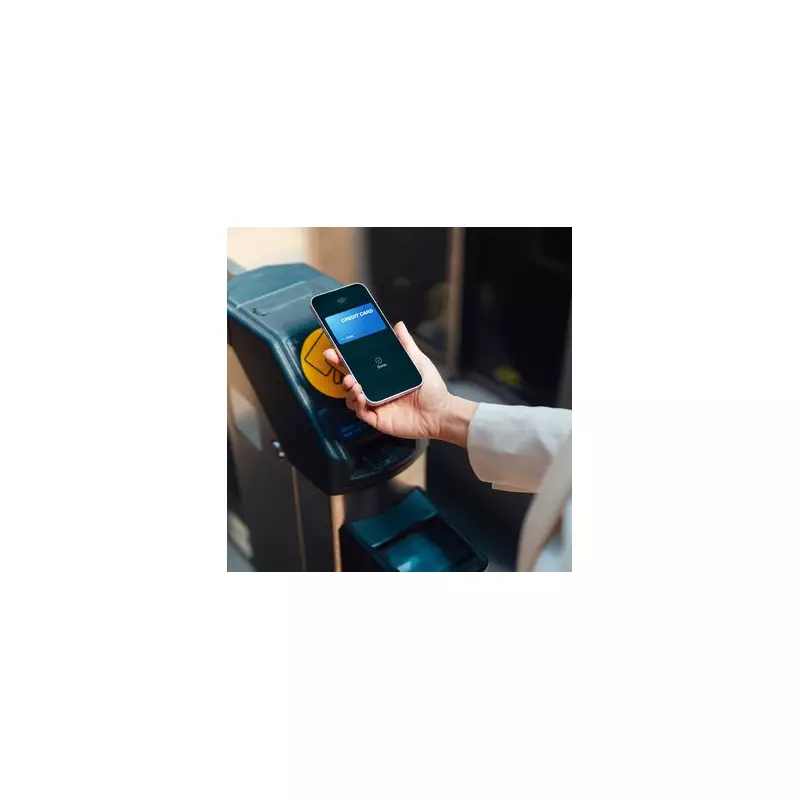
The Department for Transport (DfT) expanded its pay-as-you-go contactless system to 50 additional stations on 14 December 2025. While intended to modernise ticketing, the move has forced a major realignment of fare structures to match Transport for London's (TfL) system.
This alignment has narrowed the definition of 'off-peak' travel times. For example, the first weekday London-bound Southern service from Reigate, Surrey, that accepts an off-peak day travelcard now departs at 9.28am, a full 30 minutes later than the previous 8.58am cutoff. Crucially, passengers boarding the same 8.58am train just five minutes later at Redhill station can still use an off-peak ticket, creating a confusing postcode lottery.

New evening restrictions between 4pm and 7pm have also been introduced, and the cheapest super off-peak tickets have been removed from some stations entirely.
The Financial Impact on Passengers
The changes have led to dramatic cost differences. A full-day anytime travelcard from affected stations now costs £37.10, while the off-peak version is £20.60.
Steve Trigg from the Reigate, Redhill & District Rail Users Association highlighted that some families visiting London now face an 85% cost increase to return during newly defined peak hours, forcing them to alter schedules.
Analysis by the lobby group Railfuture reveals further pitfalls. Contactless payments do not accommodate railcard or child discounts. A weekend trip from Luton to central London for a family of two adults and two children costs £84 by contactless, but just £41.70 with paper tickets using a Groupsave discount. A commuter from East Grinstead using a Network Railcard could save £3.60 daily by sticking to paper.
Political and Industry Response
Rebecca Paul, the Conservative MP for Reigate, warned the new rules risk "pricing passengers out of rail altogether." She has pledged to press train operator Govia Thameslink Railway (GTR) and the DfT to ensure contactless does not mean higher fares.
Neil Middleton, Railfuture vice chairman, stated: "Offering the option for contactless payment for rail travel is a good thing... But it currently comes with a number of stings in the tail."
In defence, a GTR spokesman said the changes were necessary to align with TfL and insisted the process was not designed to increase fares revenue. They cited examples of savings, such as a single off-peak journey from Reigate now costing £7.60, down from £14.60. The DfT echoed that the majority of single tickets would be the same price or lower, offering the "best price promise."
Railfuture advises passengers to check their train operator’s website and TfL’s single fare finder to identify the cheapest payment method for their specific journey.