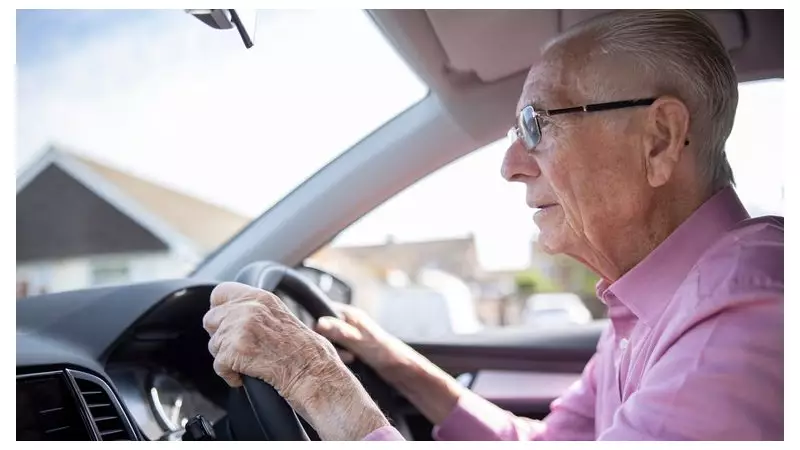
The government is set to unveil a major new road safety strategy this week, with proposals that could see mandatory eye tests introduced for all drivers aged 70 and over. The plans, aimed at balancing personal independence with public safety, form part of a wider push to drastically reduce fatalities and serious injuries on Britain's roads.
Focus on Older Drivers and Stricter Penalties
Scheduled for full publication on Wednesday 7 January 2026, the strategy represents the first comprehensive road safety review in over a decade. It comes in response to concerning statistics: in 2024, drivers aged 70 or older accounted for 24% of all drivers killed in collisions, while making up 12% of total car crash casualties.
Beyond the potential for compulsory eye exams, ministers are also considering the inclusion of cognitive assessments for older motorists. The strategy is also expected to introduce tougher penalties for other offences. Drivers caught without insurance could see their upfront fines rise to as much as £600, a significant increase. Furthermore, it was reported last year that the plans may include issuing penalty points for not wearing a seatbelt, a measure not currently in place.

Balancing Safety with Independence
Local Transport Minister Lilian Greenwood emphasised the need to protect both older drivers' freedom and overall road safety. "We know driving is important for older people's well-being and independence, but we must ensure everyone on our roads is safe," she stated. "As the country's older population grows, this first road safety strategy in over a decade will balance personal freedoms with measures to save lives."
The government's overarching targets are ambitious: a 65% reduction in road deaths and serious injuries by 2035, with an even higher goal of a 70% reduction for children under the age of 16.
A Broader Safety Push
The proposed measures signal a renewed focus on proactive safety checks and deterrent penalties. The eye test proposal, in particular, addresses a long-debated issue regarding how to ensure the fitness of an ageing driving population without resorting to arbitrary age-based bans.
The strategy's dual approach—combining support for older drivers with harsher consequences for reckless behaviour like driving uninsured—aims to create a safer environment for all road users. The finalised details will be scrutinised when the full document is released to the public this Wednesday.