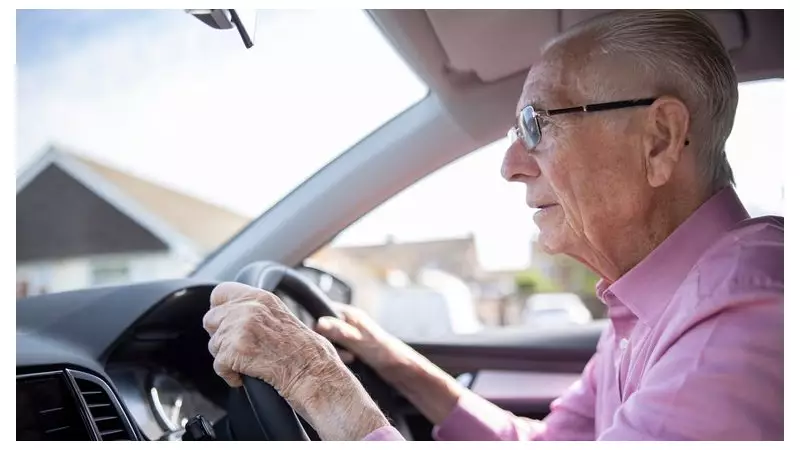
The government is proposing significant changes to road safety laws that could see drivers aged 70 and over face a ban if they fail new mandatory eye tests. The plans, part of the first comprehensive road safety strategy in over a decade, aim to dramatically reduce fatalities while balancing the independence of older motorists.
Core Proposals for Safer Roads
Under the proposals set for full publication on Wednesday, 6 January 2026, all drivers over the age of 70 would be required to pass a compulsory eye test to retain their licence. Cognitive assessments for older drivers are also under consideration as part of the broader strategy. The overarching goal is to cut road deaths and serious injuries by 65% before 2035, with an even more ambitious target of a 70% reduction for children under 16.
The move follows concerning statistics from 2024, which revealed that 24% of drivers killed in collisions were aged 70 or older. Furthermore, this demographic accounted for 12% of all car crash casualties during that period.

Balancing Safety and Independence
Lilian Greenwood, the Local Transport Minister, emphasised the need to protect both older drivers and other road users. "We know driving is important for older people's well-being and independence, but we must ensure everyone on our roads is safe," she stated. "As the country's older population grows, this strategy will balance personal freedoms with measures to save lives."
The strategy is not solely focused on older drivers. Reports from last year indicated it may also introduce penalty points for those caught not wearing a seatbelt for the first time. Additionally, drivers caught without insurance could see upfront fines soar to £600, marking a more severe consequence for this offence.
A Broader Vision for Road Safety
These proposed changes represent the government's most substantial intervention in road safety in years. By targeting key risk factors—from the visual acuity of an ageing driving population to persistent issues like uninsured driving and seatbelt non-compliance—the strategy seeks to create a systemic shift. The focus remains on implementing evidence-based measures that can prevent tragedies without unnecessarily restricting mobility for those who rely on their cars for independence and social connection.
The full details and the official consultation process will be unveiled with the strategy's publication, setting the stage for potential legislative changes that will affect millions of drivers across the UK.