Private hire giants Uber and Bolt are set for significantly higher tax bills after the UK government closed a controversial VAT loophole, a decision celebrated as a "landmark step" by London's black cab trade but branded "absurd" by ride-hailing firms.
Government Closes "Niche" Tax Loophole
On Friday, the Treasury announced it had barred online minicab companies from using the Tour Operators Margin Scheme (TOMS) to reduce their tax liability. The scheme, designed for travel and holiday businesses like package tour operators, allows VAT to be paid only on the profit margin of a trip, typically slashing the effective rate to around 4% instead of the standard 20%.
The government stated that firms had been "illegitimately using a niche scheme to avoid tax." Chancellor Rachel Reeves emphasised the move was about fairness, saying: "We're putting the brakes on the illegitimate use of a niche tax scheme to protect everyday cabbies." The policy was first unveiled in the recent budget and is expected to generate an additional £700 million annually for public finances.

A Victory for Black Cabs, a Blow for Private Hire
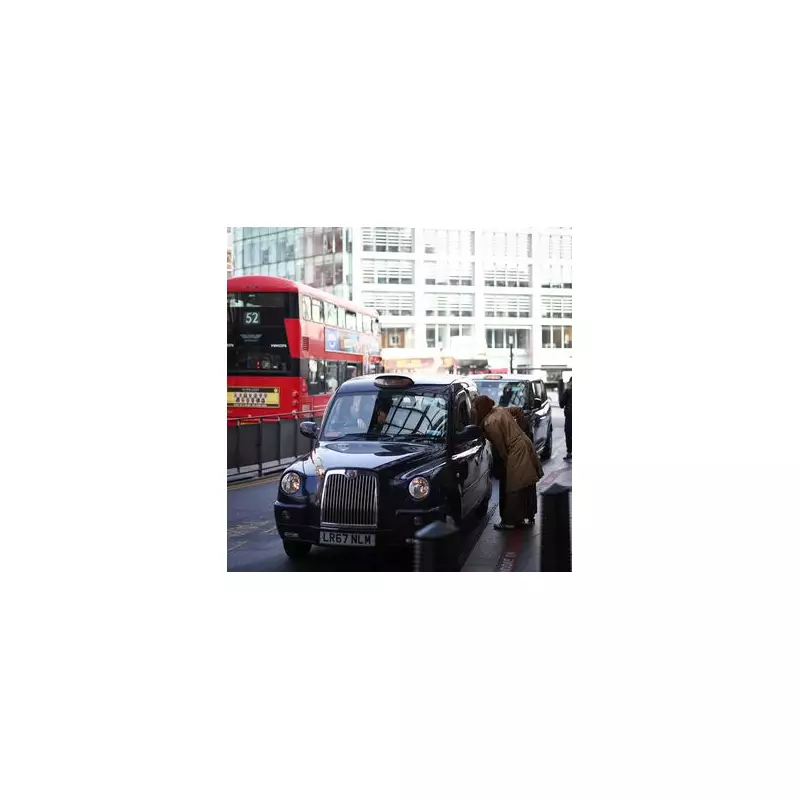
The reaction from different sides of the London transport industry has been starkly divided. Steve McNamara, General Secretary of the Licensed Taxi Drivers Association (LTDA), warmly welcomed the decision. "For too long, drivers and small operators paying the full 20% VAT have had to compete with online minicab firms benefiting from a niche tax scheme," he said. He described the government's action as a "landmark step for fairness and integrity in our industry."
In contrast, Uber's UK General Manager, Andrew Brem, warned of direct negative consequences for both passengers and drivers. He argued that the change will inevitably lead to higher prices for passengers in London and potentially less work for drivers at a time of cost-of-living pressures. "The courts have twice ruled that the Tour Operators' Margin Scheme applied to operators like Uber," Brem stated, calling the new situation "absurd" as it creates a discrepancy where a trip in London is taxed at a different rate than elsewhere in the UK.
What Happens Next for London Passengers?
The immediate fallout from this regulatory shake-up will be felt in the wallets of Londoners who use app-based ride services. With Uber and other private hire vehicle (PHV) operators now required to account for VAT at the full rate, the companies have indicated that these increased costs will be passed on to consumers.
The move rebalances the competitive landscape between the traditional black cab trade, which has long argued it faces unequal tax treatment, and the modern PHV sector. It represents a significant policy shift aimed at ensuring what the government terms a level playing field in the capital's vital transport ecosystem.