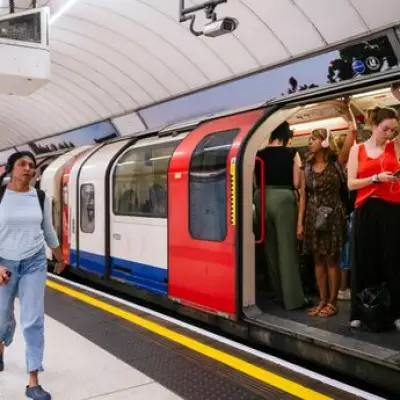
Passengers across the North of England have been plunged into New Year's Eve travel chaos after a major cable theft brought key rail routes to a standstill.
Major Disruption for Key Routes
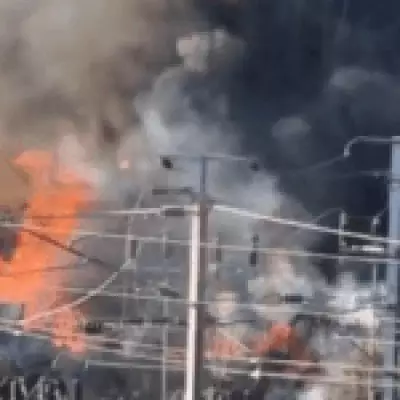
In the early hours of December 31, 2025, thieves made off with approximately 656 feet (200 metres) of vital signalling cable near Conisbrough in South Yorkshire. Network Rail was alerted to the incident at around 4am, but the damage was already done, severely disrupting services between the major hubs of Doncaster and Sheffield.
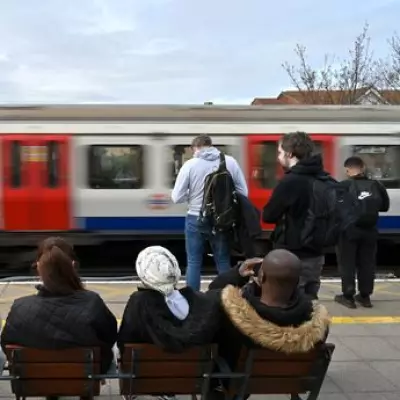
The theft has had a ripple effect across several train operators. Services run by CrossCountry, Northern, and TransPennine Express on routes connecting the two cities are all experiencing significant problems. Northern and TransPennine services are facing delays of up to 30 minutes, while CrossCountry trains are being held back by up to 15 minutes.

Widespread Cancellations and Delays
The impact is far-reaching. Northern services affected include local trains across South Yorkshire and longer-distance routes from Doncaster to Hull and Scarborough. Major CrossCountry routes, such as the service between Edinburgh and Birmingham New Street which calls at Sheffield, Wakefield, Leeds, and York, have also been hit.
Furthermore, TransPennine Express journeys between Liverpool Lime Street and Cleethorpes, which stop at Doncaster, have been interrupted. According to a BBC report, the criminal act had already caused 13 train cancellations and delayed a further 83 services by a combined total of 15 hours and 39 minutes.
Network Rail staff are on-site working to repair the damage, and the British Transport Police are expected to investigate the theft.
The Cost of Cable Crime
This incident is not isolated. Cable theft remains a persistent and costly problem for the UK's rail network. Network Rail loses millions of pounds annually to such crimes, with the wider economic cost being even higher when factoring in disrupted freight deliveries to power stations and supermarkets.
Thieves typically target copper-rich signalling cables, overhead lines, and metal fencing to sell as scrap. A design feature of Britain's rail safety system means that when a cable is cut, trains in the affected area are forced to stop, leading to lengthy delays while the fault is located and fixed.
In response, Network Rail has funded more British Transport Police officers, increased CCTV surveillance, and begun installing harder-to-steal cables. Despite these measures, 2025 has seen over 102 incidents of live cable theft, costing an estimated £5.1 million and causing more than 104,737 minutes of train delays, according to Guardian reports.