A major confrontation over the future of the London Underground is brewing after Reform UK's candidate for Mayor of London proposed automating the entire network, a move unions have vowed to meet with "mass" and prolonged strikes.
The Automation Proposal
Laila Cunningham, unveiled as Reform UK's candidate for the 2028 mayoral election on Wednesday, 7 January 2026, stated she would "love to automate the Tube". Speaking to the Local Democracy Reporting Service, the Westminster Councillor expressed frustration with transport unions, including the RMT, ASLEF, TSSA, and Unite, accusing them of taking Londoners for granted in a "Labour-run city".
She linked her proposal to the economic impact of strikes and traffic restrictions, arguing automation would undercut union power and prevent hundreds of millions of pounds in losses during walkouts.

Union Backlash and Safety Concerns
The Rail, Maritime and Transport (RMT) union responded swiftly and forcefully. A spokesperson highlighted the prohibitive cost of around £20 billion to upgrade just three lines, a figure they say Transport for London (TfL) also deems economically unviable and unsafe.
The union strongly defended the role of drivers, describing their work as "skilled and an essential safety critical role". They pointed to emergencies like the 7/7 terrorist attacks, where union members played heroic roles assisting emergency services.
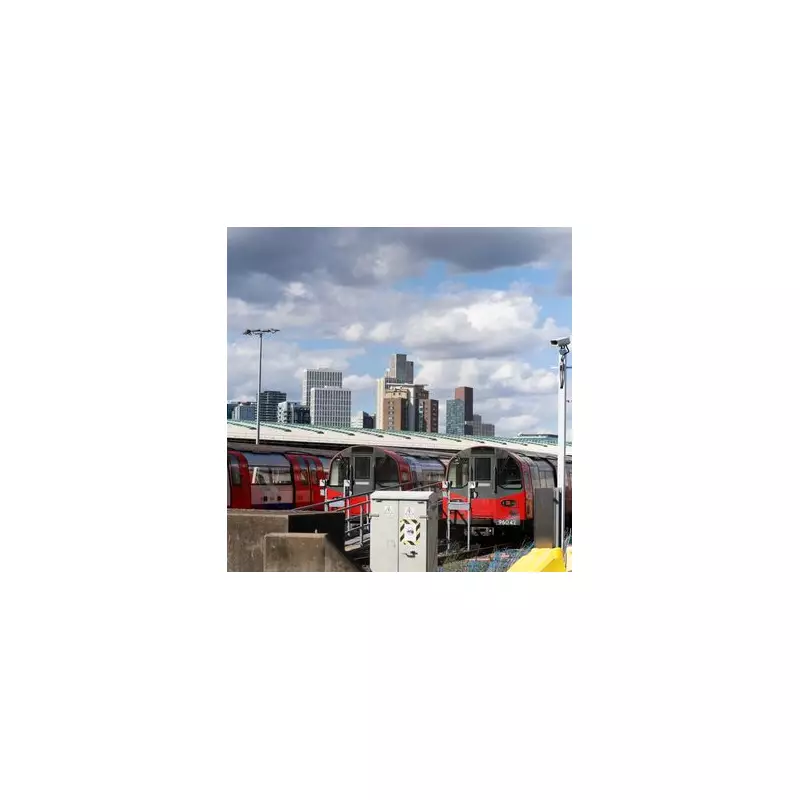
The RMT's warning was unequivocal: "Any attempt to move towards driverless trains in the future will be met with mass industrial action over a sustained period of time." This would likely leave trains stranded in depots.
Practical and Financial Hurdles
Beyond the industrial relations storm, the practical challenges of automation are immense. Currently, there are no plans to automate the whole Tube network due to the astronomical costs and complexity involved.
The project would require:
- Modernising every non-automated line.
- Rebuilding platforms across the network to accommodate new train systems.
- Securing funding far beyond TfL's strained budget.
Aslef, the drivers' union, echoed the RMT's defence of staff, stating simply that "TfL staff are working hard for Londoners every day."
The proposal from Reform UK's candidate has set the stage for a fierce political and industrial battle centred on technology, employment, and the future of London's most vital transport artery. With the next mayoral election years away, the threat of sustained industrial action looms as an immediate consequence of the debate.