Soaring living costs are pushing Australian families to the brink, with new research revealing the stark choices parents are forced to make as the new school year approaches.
Essential Items Become Unaffordable Luxuries
A report released by The Smith Family charity has found that nine in ten lower-income families are worried about affording basic back-to-school essentials. The annual survey, which interviewed over 1,100 parents and carers, marks the third consecutive year where more than 80% of respondents said they could not afford necessary school items.
The findings paint a grim picture of the pressures faced by households. Four in ten parents feared their children would miss out on uniforms or school shoes, while more than half (56%) believed they could not afford necessary digital devices like laptops. A similar proportion worried their children would miss educational activities outside of school.

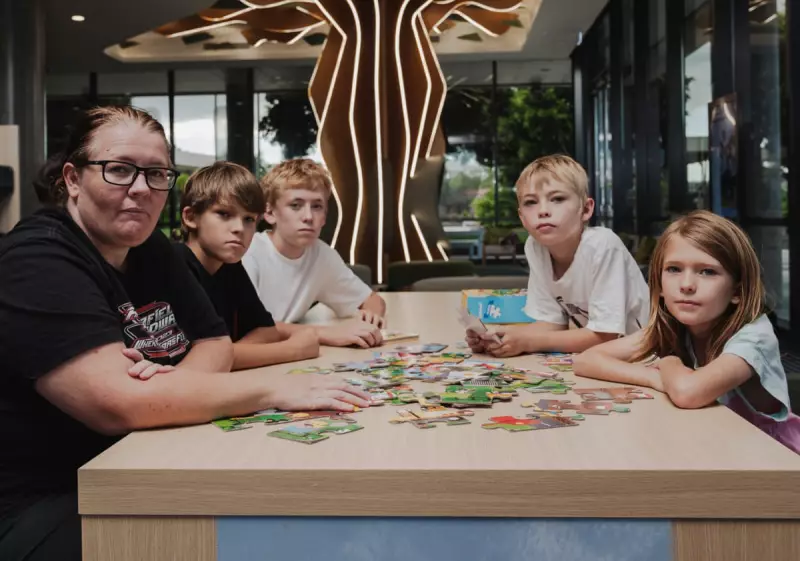
For Laura, a single mother of four profiled in the research, budgeting is a weekly struggle. "Some weeks we’re good, some weeks we’re down and I have to go into the community and ask for vouchers," she said. "The cost of living has gone up dramatically. It’s crazy, and it’s getting crazier."
A Deepening Educational Divide
The financial strain is having a direct and damaging impact on children's education. Doug Taylor, CEO of The Smith Family, warned that the one in six Australian children now growing up in poverty face a significant educational disadvantage.
"Research tells us that by Year 9 a student who experiences disadvantage can be four to five years behind their peers in literacy and numeracy," Taylor stated. He emphasised that the psychological distress of financial pressure at the start of the school year is a burden no family should face.
The report echoes a separate study from Curtin University, which found an additional 102,000 children fell into poverty between 2020 and 2023. It projects the national child poverty rate could rise from 15% in 2023 to 15.6% in 2025, potentially pushing over one million children into poverty.
The Digital Divide and Extracurricular Exclusion
A critical issue highlighted is the digital divide. Despite The Smith Family distributing 14,000 laptops over seven years, 44% of students – approximately 400,000 children – remain 'digitally excluded' with no internet access at home.
For Laura's family, support from the charity was vital. "Otherwise they’d just be using the internet off my phone, which would be impossible," she explained. "All the homework and correspondence with the school is online now. They would just miss out."
Taylor stressed that closing this gap, along with expanding access to out-of-school tutoring and activities commonplace in wealthier households, is crucial for engagement and keeping children from falling behind.
The research underscores a crisis with no signs of abating, where the simple act of preparing a child for school has become a source of profound anxiety for a vast number of Australian families.