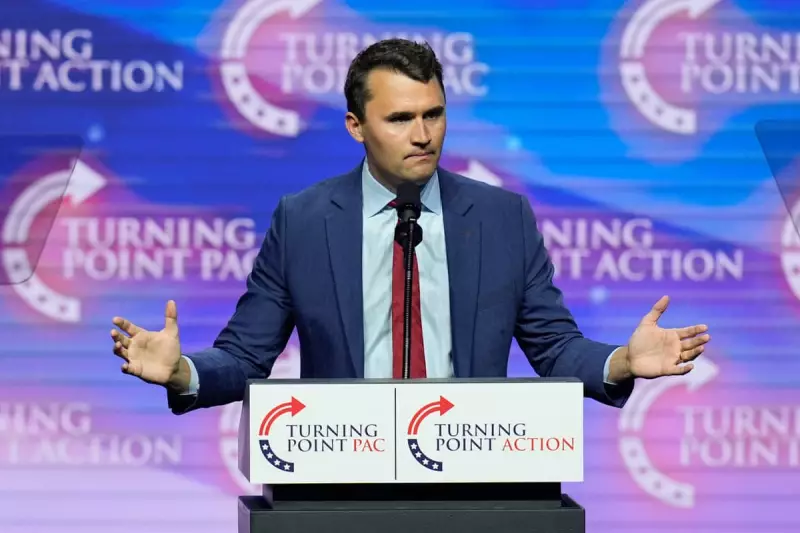
A leading teachers' union in Texas has launched a federal legal challenge against the state, alleging it is conducting unconstitutional investigations into hundreds of educators over their personal social media posts concerning the death of conservative activist Charlie Kirk.
Union Files Federal Lawsuit Against State Agency
The Texas American Federation of Teachers (AFT), which represents around 66,000 public school employees, filed the lawsuit on Tuesday. It seeks a court order to halt investigations by the Texas Education Agency (TEA) and its commissioner, Mike Morath, which the union claims violate educators' free speech rights.
The legal action stems from a directive issued by Morath on 6 September 2024. In a letter to school superintendents, he instructed them to report any educators who made what he described as "reprehensible and inappropriate" remarks about Charlie Kirk. Kirk was shot and killed on 10 September while speaking at Utah Valley University.

Alleged Crackdown on Protected Speech
The lawsuit argues that Morath's letter triggered a sweeping crackdown on constitutionally protected expression. It states clearly that public school teachers do not surrender their First Amendment rights simply because they are employed by the state.
The complaint details cases of four teachers who faced disciplinary action, including termination and formal investigations, after posting criticism of Kirk's rightwing views on race and immigration from their personal accounts. The union emphasises that these posts were made outside of work hours, on personal devices, and did not disrupt school operations.
Wide-Ranging Impact of Investigations
According to reports from the Texas Tribune, the TEA has received more than 350 complaints about educators' social media activity related to Kirk's death. As of last Sunday, the agency confirmed that 95 complaints remained under active investigation, with hundreds of others dismissed or deemed unsubstantiated.
The lawsuit highlights the severe personal and professional consequences for teachers under scrutiny. It argues that simply being investigated damages an educator's reputation, forces them to incur legal costs, and can harm their long-term career prospects, even outside the education sector.
The Texas AFT is not seeking monetary damages. Instead, it asks the federal court to declare the investigation policy unconstitutional, order a stop to all related probes, and require Commissioner Morath to issue new, corrective guidance clarifying that school districts need not report educators' personal comments.
The Texas Education Agency has declined to comment on the ongoing litigation.