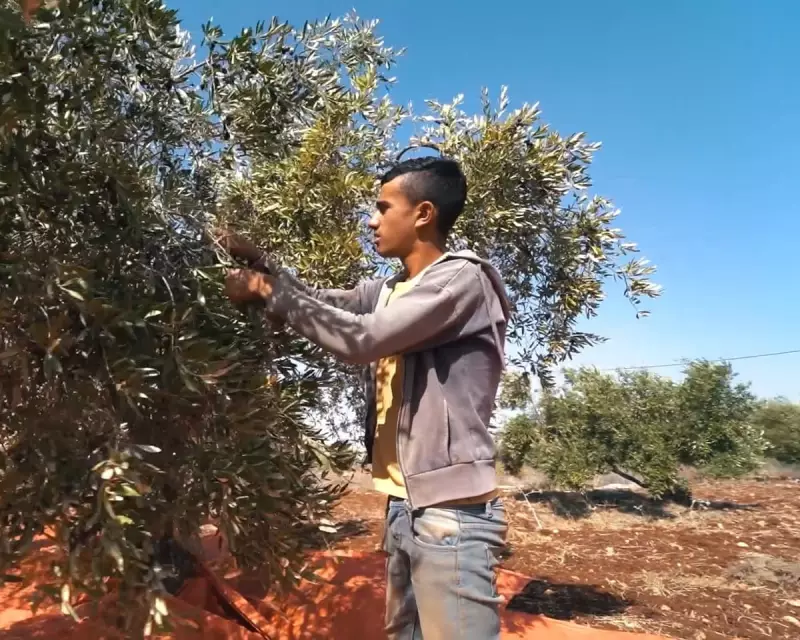
Jordan's ancient olive groves, a cornerstone of rural life and culture for generations, are facing an existential threat. A brutal combination of extreme heat and prolonged drought has decimated this year's harvest, pushing a vital agricultural sector to the brink and endangering the livelihoods of tens of thousands of families.
A Parched Landscape and a Bleak Harvest
In the northern orchards of Irbid, the scene is one of stark distress. Farmers like 67-year-old Abu Khaled al-Zoubi walk through dust-choked groves, past centuries-old trees with cracked bark and nearly bare branches. Instead of branches sagging with fruit, they find only a few shrivelled olives clinging to withered stems. Zoubi, who has tended his trees for nearly twenty years, states he has never experienced damage on this scale, losing over half his crop before the harvest even began.
His story is tragically common across the nation's olive heartlands. Official assessments indicate this is Jordan's weakest olive oil season in forty years. Production has plummeted by as much as 70% compared to last year, with the harvest delayed until early November, weeks later than usual. The sector, which typically supports 80,000 families and contributes over $1.4 billion annually to the economy, is in severe crisis.

The Climate Data Behind the Collapse
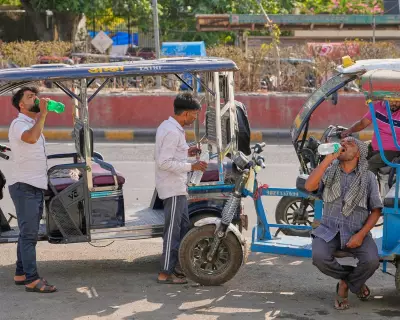
The severity of the conditions is borne out by meteorological records. The country endured its longest recorded heatwave from 12-24 August, with temperatures soaring 10-15°C above seasonal averages. This was compounded by a catastrophically dry rainfall season. Precipitation ranged from a mere 15% of average in Aqaba to just 54% in the crucial northern and central growing regions.
Mahmoud al-Auran, director of the Jordanian Farmers Union, explains the double blow: "Heat and drought give the trees less water, resulting in smaller fruits and oils of less quality." For rain-fed groves that depend entirely on seasonal weather, the lack of water has been devastating. Even supplemental watering and fertilisers have failed to compensate for the climatic onslaught, affecting both the quantity and quality of the oil produced.
Economic Shock and Cultural Erosion
The dramatic drop in yield has sent market prices skyrocketing. A 20-litre container of olive oil now sells for around $190, up from $140, while a 16kg tin has reached 140 Jordanian dinars (approx. $197)—a staggering 40% price increase. In the worst-hit northern areas, output has collapsed to just 10% of the typical 200,000-tonne harvest.
The repercussions extend far beyond economics. Olive oil is deeply woven into the fabric of Jordanian daily life and tradition. Amal al-Ghawanmeh of the al-Sendyan Land Association notes that every household suffers when production falls, forcing families to buy expensive imported oil and disrupting customary meals. The crisis also hits seasonal employment, particularly for women who form the backbone of the harvest workforce.
Facing an uncertain future, farmers are urgently calling for support, including drought-resistant olive varieties, improved irrigation, and climate-smart agricultural practices. As Abu Khaled al-Zoubi surveys his struggling orchard, his fear is palpable: "I fear the day will come when I or my grandchildren will be forced to abandon olive farming... Without real support, these trees may not survive, and neither will our way of life." The survival of a millennia-old tradition now hinges on adapting to a rapidly changing climate.