As the festive season winds down, many in the UK are left contemplating the aftermath of seasonal excess. The period of overindulgence and gift-giving often leads to a sense of bloated guilt, not just for our waistlines but for our wallets and environmental conscience. The common cycle involves a joyful splurge followed by a post-Christmas austerity drive. But what if there was a more conscious approach to consumption that lasted all year round?
A New Blueprint for Mindful Consumption
This is the central question tackled by the Guardian's product review and consumer journalism section, the Filter. The team is dedicated to exploring the practical reality of sustainable consumerism – a concept that may seem contradictory but is increasingly vital. Their method is hands-on: writers personally test, wear, sample, and play with products to provide authentic, trustworthy advice.
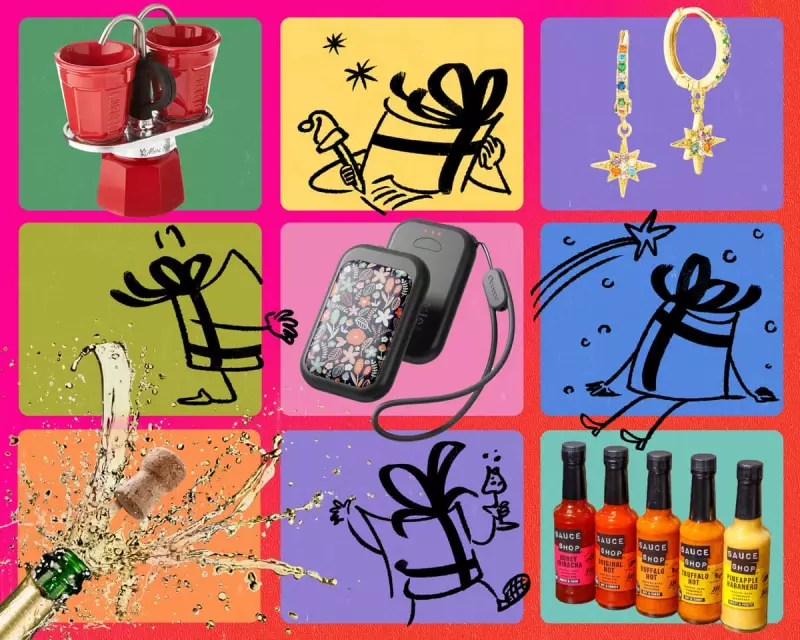
Their recent festive coverage exemplified this. Instead of generic shopping lists, they published deeply researched gift guides. These included presents for specific groups like mothers, cyclists, and teenagers, as well as analogue gifts designed to reduce screen time. Crucially, they featured items from ethical brands that support charities and communities. For children's guides, they went straight to the source, asking kids what they truly wanted. Readers also shared stories of gifts that have endured for decades, turning recommendations into personal endorsements far removed from disposable impulse buys.

Beyond Gifts: Rigorous Testing for Everyday Choices
The commitment extends far beyond the Christmas period. The team has conducted rigorous assessments on a wide array of products to combat waste and poor value. They have evaluated often overpriced Advent calendars for both cost and environmental impact. They have assembled artificial Christmas trees, noting that the Carbon Trust advises using a fake tree for between seven to 20 years can be lower in emissions than buying a new real tree annually – provided you choose a quality tree you'll keep for the long haul.
Their work helps readers avoid food waste by taste-testing seasonal items like mince pies, festive chutneys, and Christmas sandwiches. They've also provided practical tips for a less wasteful celebration, from investing in reusable crackers to creatively using leftovers. This ethos of making informed choices applies year-round, with in-depth testing on products from mattresses and coffee machines to tents and reusable cups, coupled with advice on maintaining everything from leather goods to kitchen knives.
Looking Ahead to 2026: Consuming Less, Choosing Better
With Christmas nearly over, the Down to Earth newsletter is setting its sights on 2026. Against a backdrop of predicted extreme weather and climate concerns, the Guardian's mission is to help readers navigate an increasingly complex marketplace. The focus will intensify on helping people find the most sustainable, repairable, and refurbished options.
The plan involves putting more products through their paces, diving deep into the world of secondhand shopping, and offering guidance on how to make possessions last longer. Perhaps just as importantly, they will advise on what not to buy in the first place. The ultimate goal is to empower readers to make better decisions, leading to more thoughtful purchases and, consequently, a reduction in overall consumption.
This ongoing initiative is detailed in the Guardian's weekly Down to Earth newsletter, which subscribers receive every Thursday.