

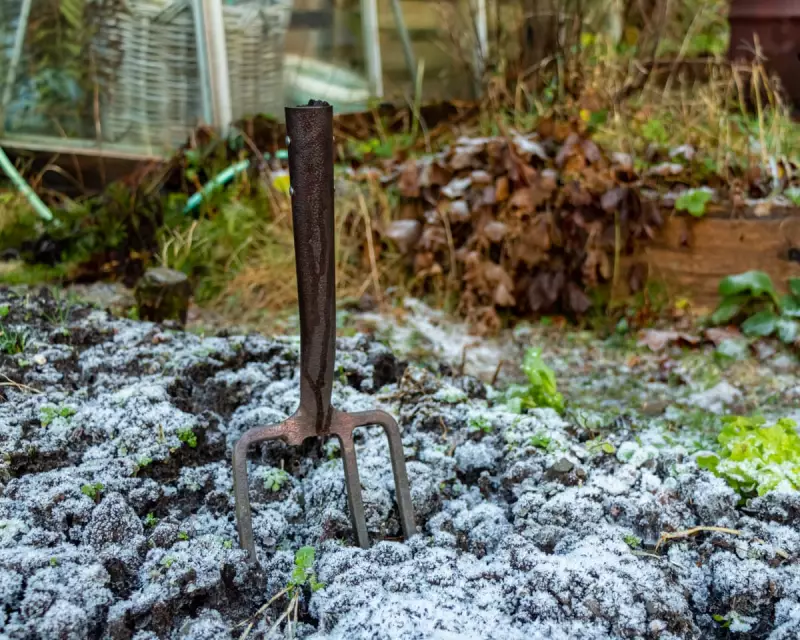
As the festive season winds down and the new year approaches, many UK gardeners find themselves gazing at their dormant outdoor spaces with a mix of reflection and anticipation. While it may seem a quiet time, seasoned horticulturalists know that the post-Christmas period presents a golden opportunity for a transformative garden project: the winter reshuffle.
Why a Winter Reshuffle is a Game-Changer
Moving plants around in your garden is not merely an aesthetic exercise; it's a strategic intervention that can dramatically improve plant health and garden vitality. The core principle is simple: relocating a struggling plant to a more suitable spot can be the difference between decline and thriving growth. This practice, often overlooked, addresses fundamental issues like light availability, soil conditions, and spatial competition that static planting schemes can suffer from over time.
Winter is the ideal season for this activity for several key reasons. Firstly, most perennial plants are dormant, meaning they experience less transplant shock. Their energy is stored in their roots, not in active top growth. Secondly, the typically wetter UK winter weather helps newly moved plants establish their root systems in their new location without the stress of summer drought. The window between late December and late February is generally considered prime time for this kind of work, avoiding the hardest frosts while capitalising on dormancy.

A Step-by-Step Guide to Successful Reshuffling
Embarking on a garden reshuffle requires a plan. Start with a thorough assessment. Walk your garden and identify plants that look unhappy—perhaps a sun-loving shrub now shaded by a growing tree, or a moisture-craving fern baking in a suddenly dry border. The goal is to match each plant's needs with the specific micro-conditions your garden offers.
When preparing to move a plant, preparation is everything. Use a sharp spade to dig a wide berth around the root ball, preserving as much of the root system as possible. Have the new planting hole ready before you lift the plant, ensuring it is both wider and a little deeper than the root ball. This minimises the time the roots are exposed to the cold air. Once placed, backfill with soil, firm gently, and water it in well to settle the roots, even if the ground is damp.
This process also presents a perfect chance to improve your soil. As you dig and relocate, incorporate generous amounts of well-rotted compost or manure into the planting holes. This not only feeds the plants but improves soil structure, drainage, and moisture retention, giving your reshuffled specimens the best possible start.
Beyond the Move: Refreshing Your Garden's Look and Health
The benefits of a reshuffle extend far beyond the individual plant. It allows you to reconsider your garden's overall design. You might create more harmonious colour combinations, improve sight lines, or group plants with similar watering needs together to make maintenance easier. It's a chance to break up monotonous blocks of the same plant and introduce more dynamic, naturalistic drifts.
Furthermore, this activity helps manage plant health proactively. Dividing overgrown perennials as you move them rejuvenates them, encouraging fresh, vigorous growth. It also allows for better air circulation between plants, reducing the risk of fungal diseases like mildew. Think of it as preventative healthcare for your garden, reducing the need for chemical interventions later in the year.
For those with heavier clay soils common in parts of the UK, timing is especially crucial. Aim for a day when the ground is not waterlogged or frozen. If the soil sticks to your spade in great clumps, it's too wet; waiting for a slightly drier spell will prevent soil compaction and damage to its structure.
Ultimately, a winter garden reshuffle is an act of optimism. It's a hands-on project that connects you deeply with your plot, teaching you about its unique ecology and setting the stage for a spectacular spring and summer. By taking the time to thoughtfully reposition your plants, you're not just gardening for today—you're cultivating resilience and beauty for the seasons to come.






