London Groups Urged to Tap £1bn Energy Fund to Slash Bills and Boost Green Power
Community organisations across London are being encouraged to seize a £1 billion government investment designed to drive down energy bills while making the capital greener. Social clubs, places of worship, and community centres will be eligible to bid for funding to install clean energy generation systems under the newly announced Local Power Plan.
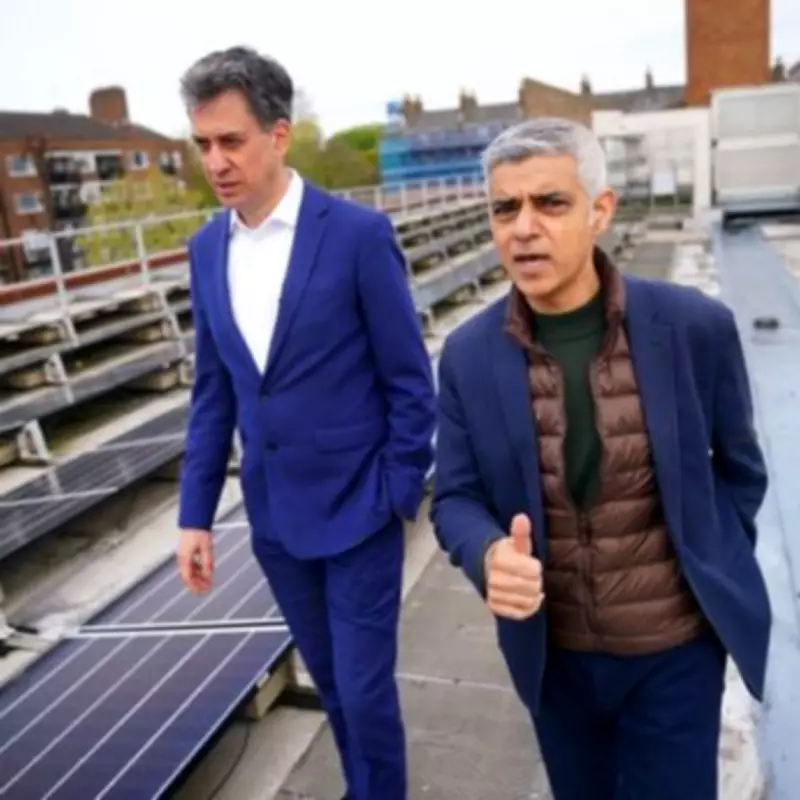
Energy Secretary Ed Miliband emphasised that the initiative aims to ensure every local community can "own and control clean energy so the profits flow into the community and not simply out to the big energy companies." This move is part of a broader strategy to decentralise energy production and empower local residents.
A Glimpse of a New Economy
During a visit to the Community Food Learning Centre in Croydon, Minister for Energy Consumers Martin McCluskey described the scheme as a preview of a "new economy" for London and the wider UK. "We want to see communities across the country doing projects like this and making sure that not just they're taking advantage of lower energy bills but also that they have ownership over their own energy supply," he told the Local Democracy Reporting Service.

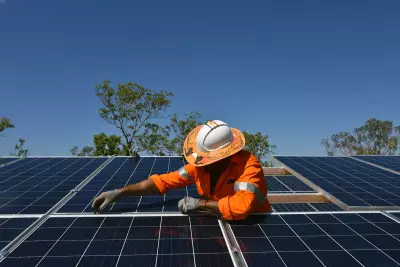
The centre, operated by Good Food Matters with support from Community Energy Croydon, recently installed solar panels on its roof, resulting in an estimated annual saving of £523 on energy bills. McCluskey highlighted that such projects exemplify a fairer economic model where communities gain direct control over their energy assets.
Mayoral Support and Ambitious Targets
Mayor of London Sir Sadiq Khan, who has set a target for the capital to achieve Net Zero Carbon status by 2030, welcomed the investment. He stated that the support will "help our city’s vibrant community energy sector continue to grow" and that Londoners are prepared to "play a powerful role in building a cleaner, fairer and more resilient energy system for everyone."
Minister McCluskey affirmed the government's alignment with Khan's ambitious goals, noting, "We want to make sure that we can do what he's doing in London right across the whole of the United Kingdom." This collaboration underscores a shared commitment to sustainable urban development.
Expanding Community Energy Projects
Connie Duxbury, founder of Croydon Community Energy, expressed optimism that the investment could lead to a proliferation of clean energy projects across London. "There are already just over 250 community projects in the capital. The Community Energy London has a vision for a thousand projects in London by 2030, which I think is absolutely possible," she said.
Amanda McGrath, managing director of the Good Food Matters project, described the scheme as a "no-brainer" for other organisations. "From a kind of sustainable perspective, it's something that's really important to us here that we're trying to be as carbon neutral as possible," she explained, adding that the financial savings are crucial for small charities with limited turnover.
Political Endorsement and Future Prospects
Natasha Irons, MP for Croydon East, praised the solar panel project at Good Food Matters as a model for community-owned power. "I’m looking forward to seeing how public buildings and schools across Croydon will benefit," she said, highlighting the potential for broader application.
The Local Power Plan is expected to catalyse significant growth in London's community energy sector, with projections indicating an exponential increase in projects. By combining financial incentives with environmental benefits, the initiative aims to create a more sustainable and equitable energy landscape for the capital.