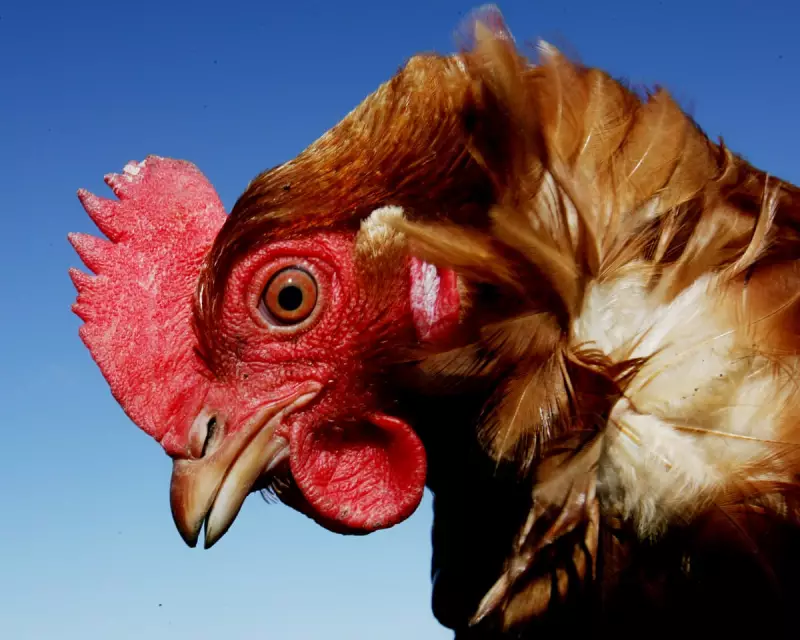
The UK government's recently unveiled animal welfare strategy, while promising significant improvements for kept animals, is facing criticism for failing to adequately address the plight of free-living wildlife and the systemic issues of factory farming. The plan, announced in December, includes headline-grabbing bans on cages for egg-laying hens and farrowing crates for mother pigs.
Wildlife Legislation Left Outdated
In a letter to the Guardian, Alick Simmons, the UK's deputy chief veterinary officer between 2007 and 2015, highlighted a major oversight. He argues that while the strategy improves conditions for domestic and farmed animals, it "sells short" free-living wildlife. Simmons points out that existing wildlife law is outdated and, as recommended by the Law Society, is ripe for a comprehensive review.
He gives the example of inconsistent protection for native mustelids and questions why the strategy prioritises minor changes, like a proposed close season for hares, over a fundamental legislative overhaul. This tinkering, he suggests, ignores the requirement of the recent Animal Welfare (Sentience) Act to consider sentience in all policy-making.

Factory Farming Expansion Remains Unchecked
Another significant critique comes from Ruth Tanner, UK country director for World Animal Protection. She acknowledges the strategy's "promising plan" to end some of the most extreme confinement practices. However, she warns it contains "few indications" that it will halt the expansion of the factory farming systems that perpetuate such cruelty.
Tanner emphasises that these systems not only cause animal suffering but also pose threats to climate, environment, and public health. With the government's national food strategy and farming vision due in 2026, she urges ministers to prioritise a shift away from intensive farming and support a transition to nature-friendly agriculture.
Controversy Over Electric Collar Ban
The proposed ban on electric collars has also sparked debate. A letter from David Sutton of Salisbury argues that for cats, these devices are primarily containment systems, not training tools. He claims his family's use of such a system for 20 years has prevented cats from being run over on roads and limited their impact on wildlife.
Sutton contends that banning these collars would be a "cruel removal of cats’ safety", leading to more fatalities, a perspective that contrasts sharply with the welfare arguments for the ban.
Other correspondents welcomed the broader legislative push, including a ban on boiling lobsters alive, with one hoping that compassion for animals might extend to humans, while another humorously questioned the fate of mussels. The response underscores that while the government's strategy marks a step forward for some animals, significant gaps remain in creating a truly comprehensive and effective welfare framework for the UK.