Melbourne Zoo's Progressive Shift in Animal Care and Conservation
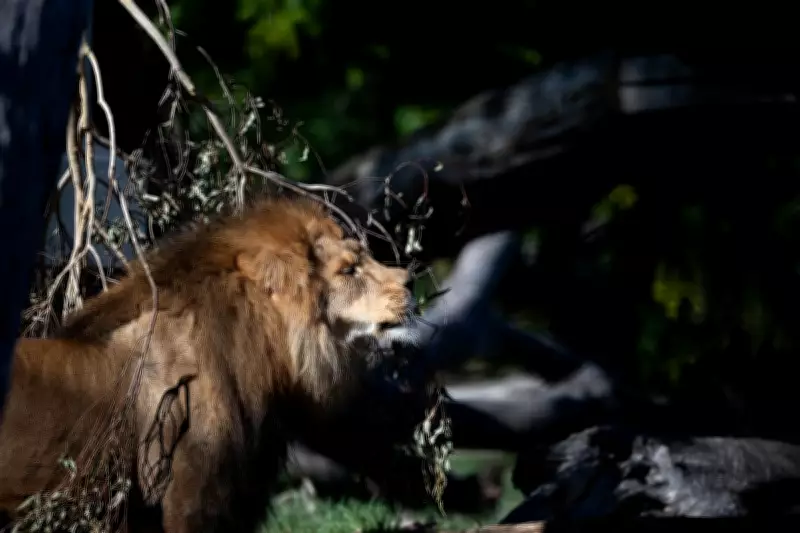
At Melbourne Zoo, two majestic male lions pace behind wire mesh, their low rumbles echoing through the enclosure. Keepers Meryl and Monique are not preparing a meal today; instead, they focus on mimicking wild behaviors, such as intermittent fasting and scent-based enrichment. Ndidi, one of the lions, eagerly rolls in a pile of lavender-sprayed leaves, showcasing the zoo's commitment to naturalistic care.
A Dark History Gives Way to Modern Welfare Principles
Founded in 1862 as Melbourne Zoological Gardens, the institution has a complex past intertwined with empire and colonialism. In its early years, animals were sourced from hunters, and visitors could watch orangutans smoke cigarettes or ride elephants. Public expectations have since shifted dramatically, leading to intense scrutiny over the ethics of captivity.
Under the leadership of Dr. Jenny Gray, Zoos Victoria launched a strategy in 2009 to become a "zoo-based conservation organization." This move directly addressed the paradox of promoting conservation while keeping animals captive. Initial welfare surveys revealed subpar conditions, but today, the zoo prioritizes habitat appropriateness, social enrichment, and behavioral expression.

Transforming Enclosures and Conservation Efforts
Enclosures have been progressively redesigned to enhance animal welfare. For instance, elephants were relocated to larger habitats due to space concerns, with only two remaining in city zoos across Australia. Commercial activities from traditional zoo visits now fund conservation programs for less visible native species, such as the critically endangered Baw Baw frog and eastern-barred bandicoot.
Lauren Hemsworth, an associate professor at the University of Melbourne, notes that Zoos Victoria is recognized as progressive in animal welfare, collaborating with researchers to address ethical challenges. She highlights issues like stereotypic behaviors in captivity and the need to balance conservation goals with animal needs.
Cooperative Care and Enrichment Strategies
Choice and control are central to modern animal care at the zoo. Keepers have moved away from restrained healthcare, training animals like binturongs and Sumatran tigers to participate voluntarily in medical procedures. For example, Hutan the tiger presents his thigh for vaccinations, reducing stress for both animals and staff.
Enrichment activities, such as scent-based toys and interactive feeders, stimulate natural behaviors. Tigers like Hutan enjoy perfumed blankets, while lions engage with scented leaves. This approach not only improves welfare but also supports conservation by maintaining genetic diversity for endangered species through international breeding programs.
Balancing Human-Animal Relationships
Keepers emphasize respect and boundaries in their interactions with animals. Alex, who cares for ungulates like giraffes and peccaries, describes how giraffes can form strong bonds with individual keepers but stresses the importance of avoiding anthropomorphization. The focus remains on viewing the world through the animals' eyes, ensuring their interests come first.
As zoos worldwide face public pressure to justify their existence, Melbourne Zoo's evolution serves as a model for integrating conservation, education, and ethical animal care. By confronting its history and embracing progressive practices, the zoo navigates the tension between captivity and environmental stewardship.