Four decades ago, the area known as Mousley Bottom in Derbyshire was a blighted landscape, synonymous with pollution and decay. Today, it stands as a powerful testament to nature's resilience and the impact of community-driven environmental action.
A Landscape Devoid of Life
In the early 1980s, visiting Mousley Bottom by the River Goyt was an assault on the senses. The location served as the municipal dump for New Mills, with the stench from the tip pervasive. It was also home to a sewage works and a historic gasworks, whose production of town gas from coal tar had left the soil saturated with heavy toxins.
The river itself acted as a conduit for waste, carrying pollutants downstream and leaving the Goyt system almost devoid of life. Observers at the time might have concluded the area was degraded beyond any hope of ecological redemption.

The Vision for Regeneration
The transformation began with a clear vision, notably championed by the late Sir Martin Doughty, who had served on New Mills council from the age of 26. The ambitious project involved the planting of a staggering 22,000 trees at the site during the 1980s. Five hundred of these were oaks, planted by the town's schoolchildren, embedding the community's future in the landscape.
A dedicated council ranger team then worked on habitat creation, carefully nurturing the straight-lined saplings into a complex, layered woodland. Their efforts, however, have been drastically reduced in recent times, with resources slashed from 300 days a year to a mere five.
Nature's Hidden Heroes
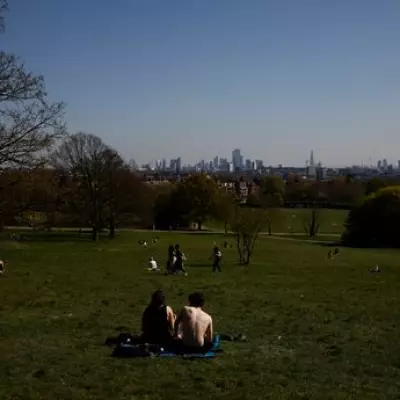
Standing in the wood today, with ravens calling overhead and wrens singing by the river, it's hard to imagine its toxic past. Redwings feast on holly berries in the trees that climb the hillside. The scene is a beautiful town park and a popular riverside walk.
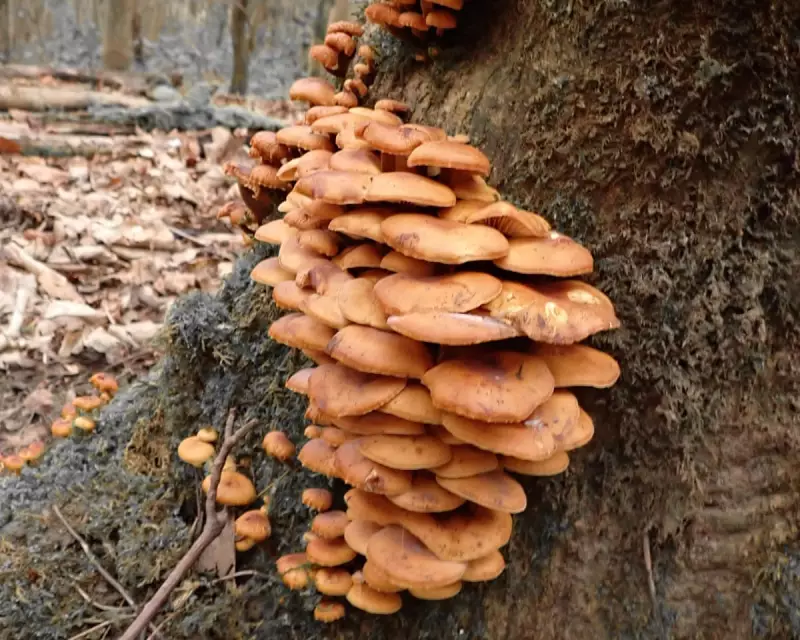
While human initiative provided the catalyst, the true architects of this recovery are the often-unseen collaborative systems of nature itself. A vast, largely subterranean network of organisms—including archaebacteria, actinomycetes, nematodes, annelids, and rotifers—worked to detoxify the soil. This hidden labour underpinned the return of the visible elements: plants, insects, fungi, birds, and mammals that now call Mousley Bottom home.
The story of Mousley Bottom delivers an unequivocal message: no brownfield site is beyond redemption. It showcases the remarkable ability of ecosystems to rebound when given a chance, offering a blueprint for environmental recovery that combines visionary planning with the patient, powerful forces of the natural world.