A powerful movement is sweeping through the UK's creative industries, actively dismantling the long-held and romanticised notion of the 'tortured artist'. From opera houses to theatre companies, organisations are now prioritising mental health and wellbeing support for performers, arguing that great art does not require personal suffering.
The End of a Corrosive Myth
The archetype of the artist in torment, from Vincent van Gogh to Amy Winehouse, has been deeply ingrained in cultural history. However, leaders across opera, theatre, film, and television are now pushing back against what they see as a damaging and outdated ideal.
"Artists don't need help because they're weak; they need it because they're strong," stated Annilese Miskimmon, Artistic Director at English National Opera (ENO). She emphasised that performers require strength to repeatedly rehearse and perform deeply traumatic roles in front of thousands.

Practical Support Takes Centre Stage
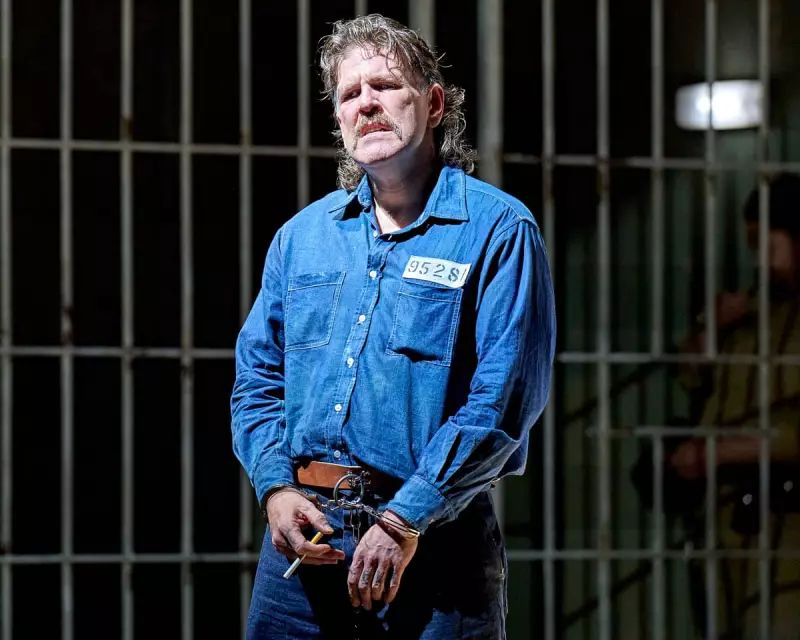
This philosophical shift is being matched by concrete action. When Miskimmon directed the harrowing opera Dead Man Walking for ENO, which deals with rape, murder, and execution, she proactively engaged the services of Artist Wellbeing.
The company provided confidential mental health support for cast and crew both during the production and for up to a fortnight after it closed. Miskimmon noted this was a first for ENO and argued that not offering such support would have been irresponsible and risked the emotional power of the final production.
This trend is growing rapidly. The Actors' Trust, alongside the British Association for Performing Arts Medicine, now offers support for stress and burnout. The urgency is underscored by research: a recent Film and TV Charity survey found 84% of UK actors experience work-related stress or anxiety, with a quarter considering leaving the industry.
Trauma-Informed Creativity Yields Better Art
Far from stifling creativity, this new approach is proving to enhance it. Playwright Sophia Griffin shared that using wellbeing practitioners for the past four years has been essential. "Had I not, I can honestly say that my work would not have been as strong or as emotionally true," she explained.
Lou Platt, founder of Artist Wellbeing, challenges the core assumption. "You don't have to be tortured to make great art," she said. She argues that with therapeutic help, artists can access emotional pathways for their work without being consumed by them, using their lived experience in service of the art rather than being used by it.
Liz Counsell of Dan Daw Creative Projects celebrated the move away from directors pushing artists to breaking point, a method once celebrated by figures like Alfred Hitchcock. She noted that an artist processing trauma with a specialist is "far more likely to be able to push further and explore more deeply" in their work.
As the industry continues to reckon with its practices post-#MeToo, the message is clear: supporting the mental health of artists isn't a sign of coddling; it's a professional necessity that fosters both safer workplaces and more authentic, powerful art.