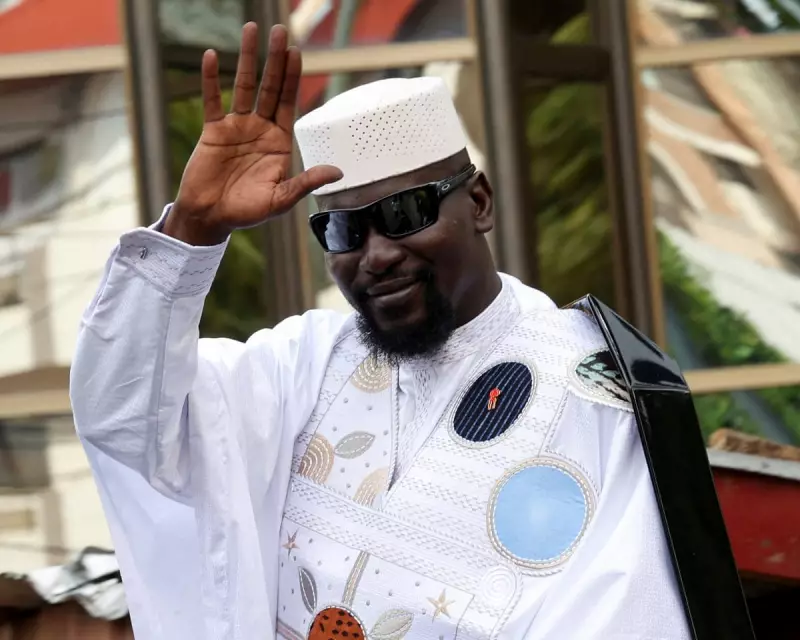
Guinea prepares for a pivotal presidential election this Sunday, with the junta leader who seized power in a 2021 coup now the overwhelming favourite to win the vote, sparking fury from opposition groups.
From Coup Leader to Presidential Frontrunner
In September 2021, Colonel Mamady Doumbouya announced he had toppled the long-serving president Alpha Condé, declaring his action was to restore the people's will. He initially pledged a 36-month transition to civilian rule, resisting pressure from West African bloc Ecowas for a faster return to democracy, and vowed not to run for office himself.
That promise now lies in tatters. On 6 October, over 6.7 million eligible voters will cast ballots, with Doumbouya as the clear frontrunner among nine candidates. His path was cleared by a controversial September referendum that adopted a new constitution, allowing him to stand and extending presidential terms from five to seven years.

The opposition coalition Forces vives de Guinée has labelled his candidacy a profound betrayal. "The man who presented himself as the restorer of democracy chose to become its gravedigger," the group stated last month.
A Climate of Fear and Foregone Conclusion
Within Guinea, many see the general's victory as inevitable due to his extensive consolidation of power since the coup, which included promoting himself to general. The race is notable for who is absent: major opposition parties remain suspended, and their leading figures are either detained, barred from running, or in exile.
A pervasive climate of fear is reported, attributed to the junta's crackdown on critics, with several dissidents imprisoned. In a move that shocked human rights observers, Doumbouya pardoned former dictator Moussa Dadis Camara, who was serving a 20-year sentence for his role in the 2009 Conakry stadium massacre and mass rape.
This context stands in stark contrast to the region's wider turmoil. West Africa, dubbed the "coup belt", has seen seven successful takeovers since 2020. While Guinea remains under Ecowas, fellow juntas in Burkina Faso, Mali, and Niger have left the bloc to form the pro-Russian Alliance of Sahel States. This election will be the first in any of these junta-run states since the wave of coups began.
High Stakes: Simandou and Guinea's Future
Ahead of the poll, Doumbouya has sought to build public goodwill. A key milestone was the launch this month of the vast Simandou iron ore mine, home to the world's largest untapped reserve. After decades of delay caused by instability and corruption, his government touts the project as a bridge to prosperity, despite local concerns over job losses and environmental impact.
The stakes for the election are monumental. The Simandou project, which includes new railways and ports, is expected to transform the economy of a nation where half the population survives on under $2 a day. Many citizens and observers are now waiting to see how the post-election government will handle the project's immense revenues and the urgent need for transparency.
As presidential candidate Abdoulaye Koroma of the Rally for Renaissance and Development party summarised, "Our salvation lies in a return to the [proper] constitutional order." For now, Guinea's immediate future appears set to remain firmly under the control of the soldier who promised to save its democracy.