Australians Overwhelmingly Reject US-Israel Military Action in Iran
According to the latest Guardian Essential report, a mere quarter of Australians express support for the recent United States and Israeli military strikes targeting Iran. This stark disapproval reflects growing national concern over the escalating conflict and its domestic repercussions.
Economic Fallout Hits Australian Households
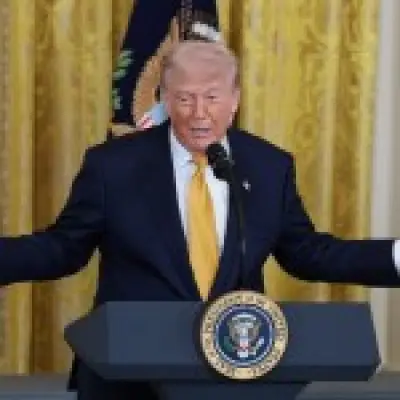
The Trump administration's military intervention in Iran, described as an "excursion," has triggered significant economic consequences for Australia. Fuel prices have skyrocketed while interest rates surge, directly impacting household budgets across the nation. The Albanese government faces mounting pressure as these external economic shocks complicate their second-term reform agenda.
Prime Minister Anthony Albanese initially endorsed the destruction of Iran's nuclear capabilities, but has since demonstrated reluctance to commit further to what many perceive as an unpredictable military campaign. This hesitation aligns with public sentiment, as evidenced by the Guardian Essential findings.

Poll Reveals Clear Preference for Diplomatic Solutions
The survey presented Australians with multiple response options regarding the conflict. The only action receiving majority support was "to work with international organizations to help with peace talks and prevent further escalation." This preference for diplomatic engagement over military intervention highlights a desire to remove what many see as Trump's reckless leadership from the driver's seat of international affairs.
Other potential interventions received minimal backing, including naval support to counter Iran's retaliatory blockade, weapons shipments to allied nations like the United Arab Emirates, or deployment of ground troops. The data suggests Australians overwhelmingly favor de-escalation through multilateral cooperation rather than military escalation.
Political Consequences for Labor Government
The economic turbulence resulting from the Iran conflict presents significant challenges for the Albanese administration. Having stabilized interest rates and rebuilt budgetary frameworks post-COVID, Labor had planned to introduce comprehensive tax reforms and social investments in a favorable economic climate.
Global inflationary pressures exacerbated by the conflict have substantially increased the difficulty of these planned reforms. The blockade on oil supplies has driven worldwide inflation, compounded by price manipulation within fragile global supply chains. Making matters politically challenging, Australians appear equally likely to blame government spending as global economic headwinds for their financial strain.
Searching for Alternative International Partnerships
The poll reveals a strong appetite for Australia to strengthen relationships with other middle-power nations. When presented with options for future international relationships, Australians preferred closer cooperation with other middle powers by nearly a two-to-one margin. This sentiment proves particularly strong among Labor, Greens, and independent voters.
Canadian Prime Minister Mark Carney's recent visit to Australia provided a compelling contrast to current U.S. leadership. His advocacy for middle-power collaboration in defense, trade, and technology development presents an alternative path forward as the international rules-based order faces unprecedented challenges.
The data suggests Australians recognize that responding effectively to unilateral power requires collective action rather than isolated responses. This perspective extends beyond mere opposition to Trump's policies toward building sustainable alternatives that protect national interests from future geopolitical misadventures.
Long-Term Implications for Australian Foreign Policy
As the conflict continues to unfold, fundamental questions emerge about Australia's relationship with traditional allies. The overwhelming public preference for diplomatic solutions and middle-power collaboration indicates potential shifts in foreign policy priorities. With economic consequences already materializing in Australian households, the political pressure for alternative approaches will likely intensify.

The Guardian Essential poll conducted qualitative research for Guardian Australia and has previously worked with Labor during election campaigns. These findings suggest that regardless of how the current conflict resolves, Australians appear ready to reconsider their nation's position in an increasingly volatile global landscape.