The landscape of American college sports has been irrevocably altered by a landmark decision from the National Collegiate Athletic Association (NCAA). The governing body has approved a significant rule change that permits student-athletes to sign professional contracts while retaining their collegiate eligibility, provided they do not accept payment.
A Pioneering Decision and Its First Beneficiary
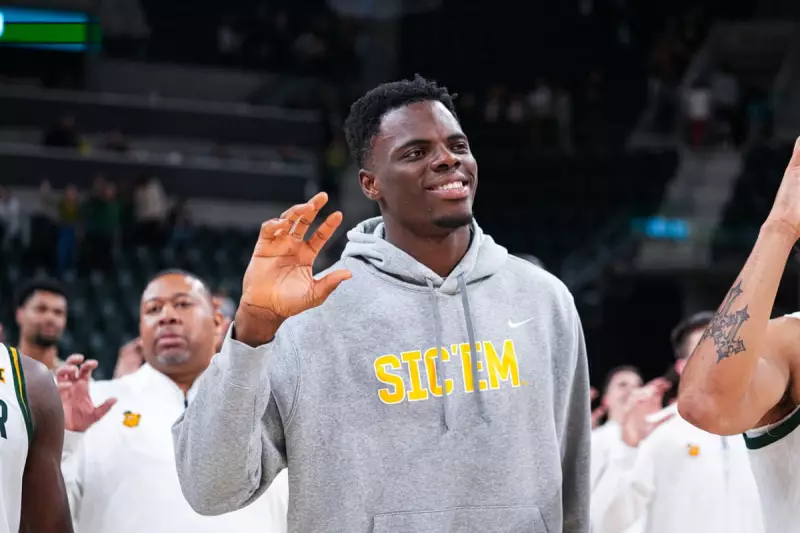
This historic shift in policy has found its first major beneficiary in James Nnaji, the highly-touted centre for the Baylor University men's basketball team. Under the new framework, Nnaji has been able to sign a professional contract with an undisclosed NBA franchise. Crucially, he has not accepted any monetary compensation from the deal, which allows him to continue playing for the Baylor Bears in the upcoming NCAA season.
The rule, which was passed by the NCAA's Division I Council, specifically states that an athlete's eligibility is not compromised by "signing a contract with a professional sports organisation" as long as they "do not receive pay for play". This creates a new pathway for elite talents to secure their professional futures without the immediate pressure to leave the college system.

Navigating the New Collegiate Landscape
For James Nnaji, this development marks the culmination of a unique journey. The 20-year-old Nigerian native initially joined Barcelona's renowned youth academy before making the move to the American collegiate system with Baylor. His performance for the Bears, where he averaged 7.2 points and 5.8 rebounds per game last season, had already positioned him as a potential NBA draft prospect.
This rule change effectively allows players like Nnaji to negotiate the terms of their entry into the professional ranks on their own timeline. They can leverage strong collegiate performances to negotiate favourable contract terms without forfeiting their remaining college career. It is a move that grants significant power and security to the athletes themselves.
Baylor University has expressed support for Nnaji's decision. A spokesperson for the athletics department stated that the institution is "committed to supporting our student-athletes in pursuing their professional aspirations while continuing their education and development within our programme."
Broader Implications for College Sports
The ramifications of this policy shift extend far beyond a single player or university. It represents one of the most substantial modernisations of the NCAA's amateurism rules in recent history, acknowledging the evolving commercial reality of top-tier college sports.
Analysts suggest this could become a common strategy for elite basketball and American football prospects, who are often projected as high draft picks after just one or two seasons of college play. It provides a safety net, guaranteeing a professional contract even if a player suffers a serious injury during their final collegiate games.
However, the rule also raises new questions. The NCAA will need to establish robust monitoring systems to ensure no prohibited benefits are provided under the guise of a "future services" contract. Furthermore, it could intensify recruiting battles, with programmes offering to facilitate such professional negotiations as a key incentive for top-tier talent.
As the 2025-26 NCAA basketball season approaches, all eyes will be on James Nnaji at Baylor. His performance will not only impact his team's championship hopes but will also serve as the first major test case for this new era of collegiate athletics, where the lines between amateur student and professional prospect have been deliberately blurred.