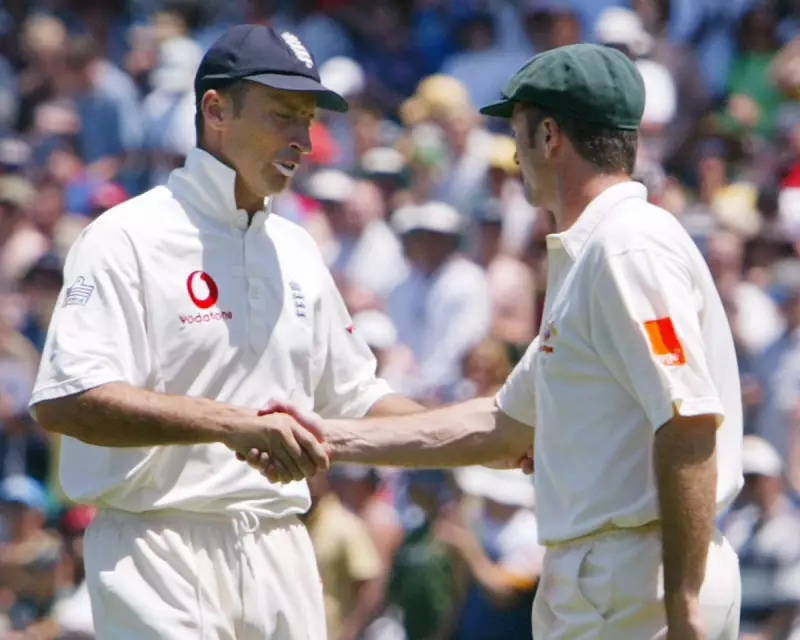
For an England cricket team touring Australia, a Test match at the Sydney Cricket Ground represents a rare beacon of hope. While the broader record Down Under since January 1987 makes for grim reading – 51 played, seven won, eight drawn, 36 lost – the numbers in Sydney offer a glimmer of light. Over the same period, England's tally at the SCG reads a more respectable ten played, four drawn, two won, and four lost.
With the urn already retained by Australia in the current series, a strong performance in the New Year's Test is not about silverware. Instead, history suggests it could provide a crucial springboard for future campaigns. The SCG has repeatedly been the stage for dramatic Ashes resurgences, both within matches and as the catalyst for longer-term shifts in momentum.
The 1894 Miracle: A Soaked Pitch and a Sobering Tale
The first great SCG comeback set a precedent in 1894. After Australia posted a mammoth 586 in their first innings, thanks to a double century from Syd Gregory, England were forced to follow on. They battled to 437 in their second dig, setting Australia a seemingly straightforward target of 177 on a good pitch.

Convinced the game was lost, several England players, including spinner Bobby Peel, reportedly spent the evening drinking. Overnight storms, however, transformed the wicket. The tale that Peel had to be sobered up under the SCG showers may be apocryphal, but he was certainly missing in action on the final morning. A sporting concession by Australian captain Jack Blackham allowed a delayed start, by which time the damp pitch had become a minefield. Peel eventually arrived to take six wickets, skittling Australia to hand England a 10-run victory in a series they would eventually win 3-2.
1954 & 1987: Launchpads for Dominance
Thirty years later, Sydney was again the turning point. After a heavy defeat in Brisbane, England were in trouble at the SCG in 1954. The tourists were dismissed for just 154 in their first innings, but a century from Peter May in the third set Australia 223 to win. The catalyst was fast bowler Frank Tyson. Earlier hit on the head by Ray Lindwall, Tyson used ferocious pace and full lengths to take 6 for 85, bowling England to a series-levelling win. He then powered them to a 3-1 series victory.
In January 1987, the SCG witnessed the birth of a modern Australian dynasty. Despite England having already retained the Ashes, a young Steve Waugh and debutant spinner Peter Taylor starred. Taylor, a shock selection, took 6 for 78 and contributed vital runs, while Waugh's crucial wicket of Mike Gatting (96) helped secure a 55-run win. This match is now seen as the genesis of Australia's period of dominance, with Waugh its defining figure.
2003: The Genesis of 2005
The most relevant blueprint for a struggling England side came in 2003. Trailing 3-0 and humiliated, England began their fightback in Melbourne before arriving in Sydney. There, they expertly exploited a fatigued Australian attack. After forcing the hosts to bowl 121 overs in Melbourne's second innings, England won the toss in Sydney and batted again, piling on 127 more overs.
Despite Steve Waugh's iconic century on the second day, England's bowlers were fresh. Michael Vaughan blasted 183 in England's second innings, setting up a target Australia couldn't chase. While few of that team remained in 2005, Vaughan captained that legendary side, having learned in Sydney that Australia could be beaten. The belief that fuelled the 2005 Ashes triumph was forged at the SCG.
As England prepare for another Sydney Test, the history of the ground serves as a powerful reminder. Even in a lost series, a strong performance at the SCG can plant the seeds for a future harvest, turning a moment of resistance into the foundation of a revival.