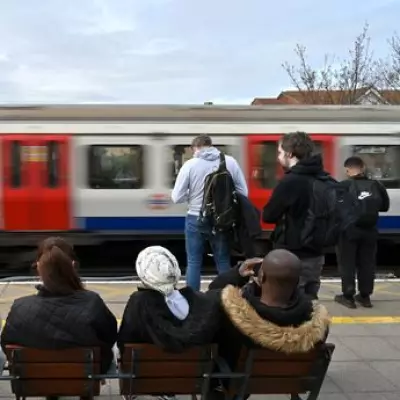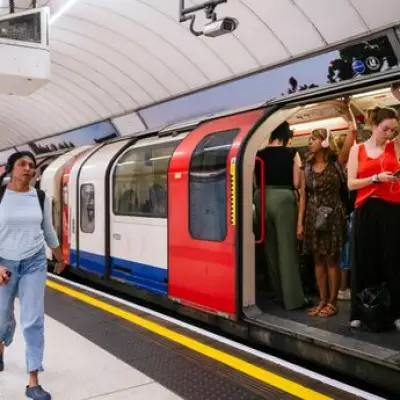
In the shadow of a vast, blackened slag heap in Broken Hill, the air carries a faint mineral tang. It's a stark reminder of the Silver City's mining past, a history etched with the names of 800 miners lost in the depths. On the platform below, the weekly lifeline to the coast – the 13-and-a-half hour Outback Xplorer service to Sydney – prepares for its 1,100-kilometre journey across New South Wales.
A Journey Rooted in Cinematic History and Transport Struggle
The trip evokes the spirit of the classic 1971 film Wake in Fright, which was filmed in Broken Hill. The story's protagonist, a schoolteacher stranded in a remote outback town, highlights a persistent, real-world issue: the lack of affordable and frequent regional transport. Over fifty years later, options for leaving Broken Hill remain limited. Flights are often prohibitively expensive, a direct drive takes 13 hours, and the daily bus to a rail connection departs at 3.45am.
This makes the weekly train, costing $70 for the marathon trip, a vital but challenging link. The service runs to Sydney on a Tuesday morning, after arriving from the city on Monday night. With an average occupancy of just 39% towards Sydney, the logistics mean travellers face either a swift overnight turnaround or a week-long stay. Christine Adams, a former Broken Hill deputy mayor, calls the schedule "absolutely ridiculous," noting the council's unsuccessful lobbying for a second weekly service.

Scenes of Wonder and Waves of Boredom
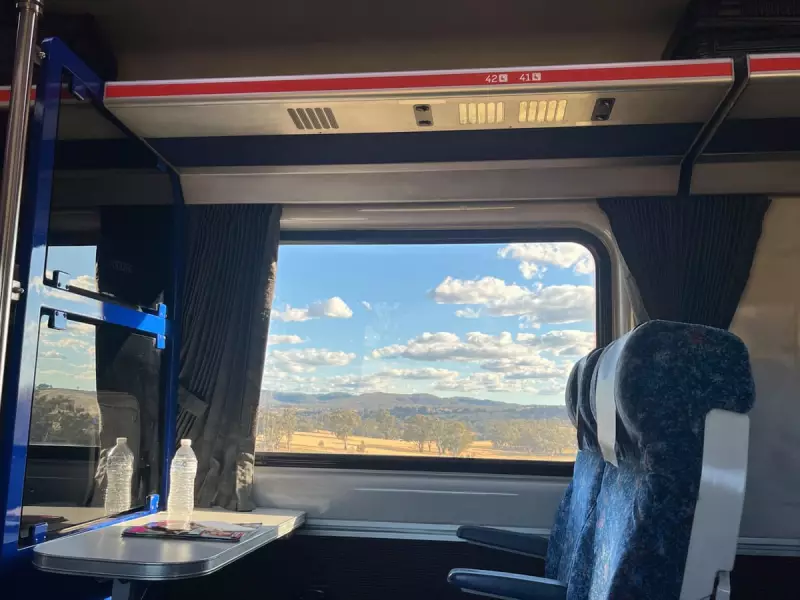
The train itself is a no-frills affair. Carriages from the 1990s, slated for replacement from 2027, offer no charging outlets or onboard internet, with patchy phone reception. Passengers, a mix of older locals and intrepid tourists, stock up on portable chargers and snacks from a basic menu featuring meat pies and sausage rolls.
As the Outback Xplorer pulls away, the landscape unfolds in a mesmerising, slow-motion panorama. The red dirt of the desert gives way to vast, shimmering plains. Passengers witness scenes of incredible wonder: sheep and wild goats scattering, a red dust twister spiralling in the distance, and the surreal sight of an emu seemingly chasing a kangaroo. Brief stops at towns like Ivanhoe and Condobolin offer a chance to stretch legs, but wandering is discouraged.
Yet, the beauty is punctuated by stretches of intense boredom. The journey is a test of endurance. By the midpoint at Parkes, where the "Dubbo crew" swaps for the "Sydney crew," the landscape softens into ploughed fields and green pastures. The final leg winds through the fertile valleys of the Central Tablelands, with glimpses of highland cows and a watchful red fox near Bathurst.
A Stark Contrast in Infrastructure Investment
After ten hours, the novelty wears thin for many. The final approach to Sydney's Central station, right on schedule at 9.30pm, brings a jarring shift. Passengers are whisked away on escalators through tunnels cut for the new multi-billion-dollar metro line – a world apart from the slow, regional service they just left.
This contrast underscores a significant disparity. While tens of billions are invested in city transport, the entire operational budget for the regional TrainLink network in 2024-25 is $400 million. A transport department spokesperson confirmed that limited rolling stock means a second weekly service to Broken Hill is not currently being considered.
The epic rail journey from the Outback to the coast remains a unique, if gruelling, experience. It offers unparalleled views of NSW's changing face and a poignant lesson in the challenges of connecting Australia's vast regions. As in Wake in Fright, if you take the train to Broken Hill, you had better be prepared to stay a while.