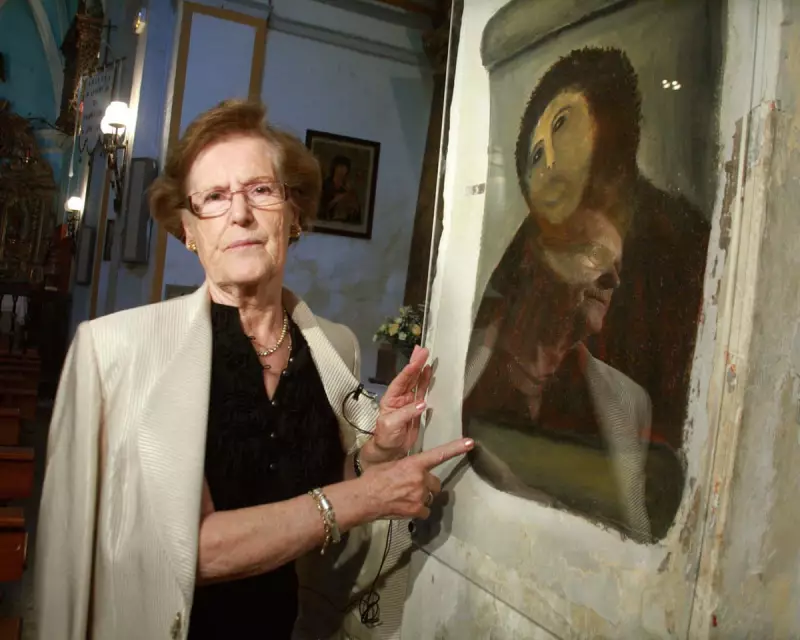
In the small Spanish town of Borja, a well-intentioned act of devotion by an elderly parishioner spiralled into one of the most infamous art restoration stories of the 21st century. The tale of Cecilia Giménez and the fresco she attempted to restore, known globally as 'Monkey Christ' or 'Potato Jesus', is a complex saga of faith, unintended consequences, and viral fame.
The Fateful Restoration Attempt
The story centres on a century-old fresco titled Ecce Homo (Behold the Man), painted by artist Elías García Martínez in the Sanctuary of Mercy church. By 2012, the artwork had deteriorated significantly due to moisture. Cecilia Giménez, then in her eighties and a devoted local, took it upon herself to restore the image of Christ without authorisation from the church or any cultural authorities.
Giménez, who had taken some art classes, acted out of a sincere desire to preserve a painting she had prayed before for decades. However, her amateur techniques and materials transformed the delicate, haunting portrait into a widely mocked figure. The restored face appeared lumpen and cartoonish, with distorted features that bore little resemblance to the original. When the church's priest discovered the result, he was reportedly horrified.

From Local Scandal to Global Phenomenon
The transformation was first noted by locals and soon photographs were leaked to the media. The image spread across the internet at lightning speed in August 2012, becoming an instant global meme. Dubbed 'Monkey Christ', 'Beast Jesus', or 'Potato Jesus', the botched restoration was met with a mixture of shock, ridicule, and disbelief by the art world and the public.
Initially, the reaction in Borja was one of embarrassment and anger. The local cultural foundation even considered legal action against Giménez for damaging cultural heritage. However, a remarkable shift soon occurred. Tourists began flocking to the once-obscure town solely to see the bizarre painting. Visitor numbers skyrocketed, bringing unexpected revenue to Borja.
The church began charging a small entry fee, with the proceeds initially intended to fund a proper restoration. Yet, as the painting's notoriety became its greatest asset, plans to fix it were abandoned. The 'Monkey Christ' was here to stay.
An Unexpected Legacy and Cultural Impact
The fallout from the event was profound and multi-faceted. For Cecilia Giménez, the experience was initially traumatic, plunging her into a period of seclusion and distress as she faced worldwide scorn. Over time, however, her status changed. She eventually secured the copyright to the image, entitling her to a share of the merchandise and ticket sales. What began as a shameful mistake evolved into a source of personal income and a strange kind of celebrity.
The town of Borja embraced its accidental fame. The influx of tourists provided a significant economic boost. The story sparked intense debate about art restoration ethics, the ownership of cultural heritage, and the power of internet virality. It highlighted the tension between professional conservation and personal, devotional intervention.
Furthermore, the 'Ecce Homo' incident became a cultural reference point, cited in discussions about failed projects and well-meaning but disastrous interventions. It underscored how a single act in a quiet Spanish church could resonate globally in the digital age, challenging traditional notions of value and success in the art world.
The legacy of Cecilia Giménez is therefore deeply contradictory. She is simultaneously the author of a notorious artistic disaster and the unlikely saviour of her town's local economy. Her story is a modern parable about unintended consequences, where a failed attempt to preserve beauty resulted in a new, albeit peculiar, kind of patrimony that continues to draw crowds to Borja over a decade later.