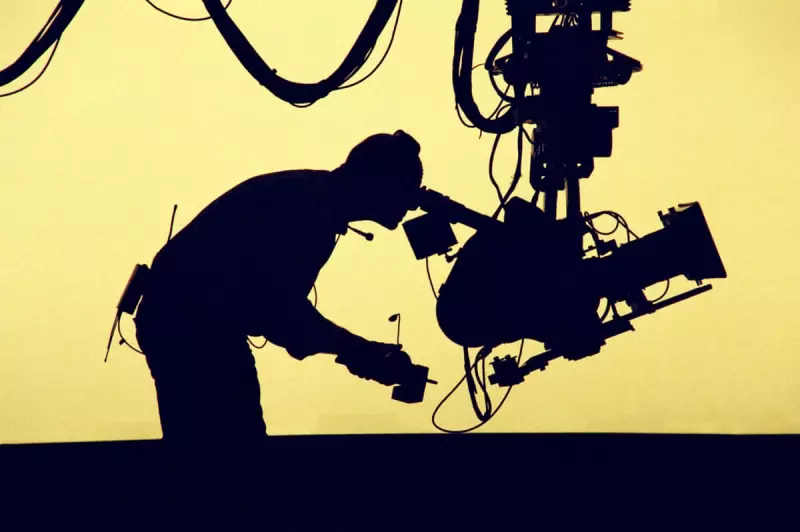
Los Angeles, the historic heart of global entertainment, is grappling with an existential crisis. A perfect storm of technological disruption, pandemic aftershocks, and bitter labour disputes has left the city's signature industry fighting to retain its crown. For veterans like cinematographer Bruce McCleery, the struggle is deeply personal, symbolising a sector that is 'not the idyllic and charmed industry that worked so well in LA for so long.'
The Hollowed-Out Heart of Production
McCleery's experience is a telling microcosm. For 16 years, he lived on the road, consistently employed by studios based in Los Angeles but working on location everywhere from Atlanta to Budapest. The phenomenon, known as 'runaway production,' has drained creative talent and economic activity from Southern California. A recent, rare opportunity to work close to home on the second season of the series Fallout revealed a startling paradox: the set was staffed by an 'all-star team' of technicians, not because business was booming, but because so many top-tier professionals were out of work and available.
The data paints a stark picture of this decline. According to FilmLA, which tracks production for the city and county, Los Angeles's share of worldwide film and TV production fell from 21.9% in 2022 to 18.3% in 2024. More alarmingly, fewer than one in five television shows are now made in California, a sharp drop from nearly 30% just a few years prior. The number of shooting days in LA fell by over 20% between early 2024 and early 2025.

The ripple effects are devastating local businesses. A famed North Hollywood costume warehouse has shut its doors after a fire sale. Equipment rental houses are closing. Ken Fritz of Studio Picture Vehicles, who rents specialised cars to productions, reports renting an average of just six vehicles a day, down from 42 in busier times. 'All my competitors who lease their cars have gone bankrupt,' he said.
Structural Shifts and a Broken Model
Industry analysts argue these problems are symptoms of deeper, irreversible changes. The traditional theatrical model is 'in tatters,' with films losing their exclusive cinema window to streaming platforms. Audiences, accustomed to the convenience of home viewing, have been slow to return to cinemas post-pandemic, leading to a string of high-profile box office failures.
Simultaneously, the streaming gold rush of the late 2010s has ended. Services are now cutting content and reducing commissions, leading to an industry-wide hangover. This volatility is compounded by the disruptive influence of big tech. Companies like Netflix and Amazon are now major producers and distributors, wielding immense market power and squeezing traditional studios. Economist Christopher Thornberg compares the effect to that on news media: 'New production is struggling to find an outlet... And who's making the money? The servers, the people putting clips on YouTube.'
Technological democratisation has also played a role. High-quality production is now possible anywhere, fostering skilled hubs globally. 'There is no piece of the industry that cannot now be done anywhere,' noted Philip Sokoloski of FilmLA.
A $750 Million Gamble and a Nuanced Future
In response, California Governor Gavin Newsom has pushed through a controversial but significant intervention: increasing the state's production incentive programme from $330 million to $750 million annually. He described the industry as being 'on life support.' The move, controversial during a budget crunch, was directly responsible for luring Fallout to LA, with the show receiving $25 million for its second season and a staggering $166 million to stay for a third.
While champions like Michele Mulroney of the Writers Guild see the fund as 'a real bright spot,' economists like Thornberg are sceptical. He doubts subsidies alone can fix structural issues and suggests a stronger focus on intellectual property rights to better reward creators.

Despite the gloom, a consensus emerges that reports of Hollywood's death are exaggerated. Thornberg notes that the highest-paying, most stable jobs in marketing, sales, and distribution remain firmly anchored in LA. The challenge is not extinction but painful contraction and reinvention. 'It will come back, but in a different form and size,' McCleery concluded. 'I'm just hoping it will come back sooner than later.' The question for Los Angeles is not if it will remain an entertainment capital, but how much smaller its footprint will become in a radically decentralised global industry.