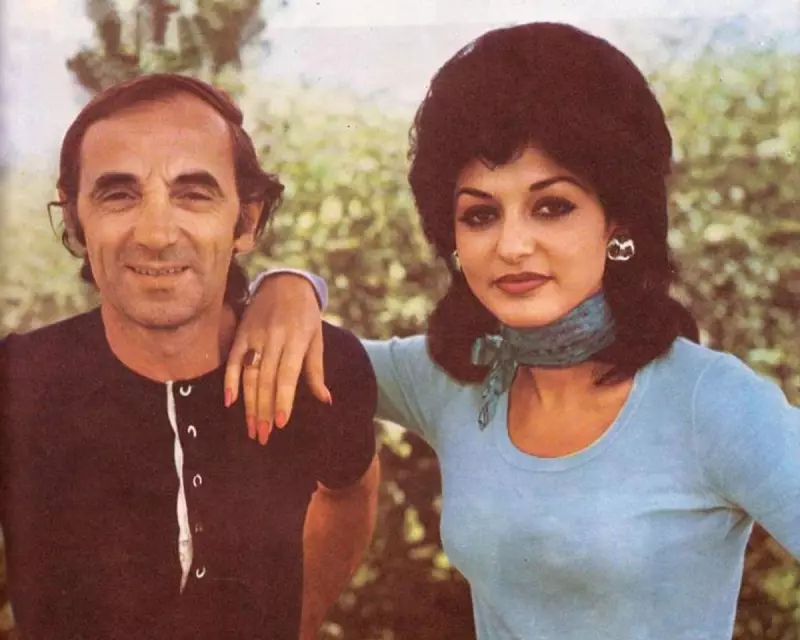
The name Googoosh is synonymous with Iranian pop culture. For generations, her voice provided the soundtrack to a nation, only to be forcibly silenced by the seismic political shifts of the late 1970s. Now, in her long-awaited memoir, A Sinful Voice, co-written with Tara Dehlavi, the legendary artist finally narrates her extraordinary journey from child star to forbidden icon.
From Cabaret Stages to National Stardom
Googoosh's career began astonishingly early. She was just three years old when she started performing in the small halls and cabaret venues where her father worked. By her teenage years, she had blossomed into a multifaceted star, dominating not only music but also film and fashion. Throughout the 1960s and 1970s, her presence was inescapable—on television screens, in cinemas, and on the pages of magazines.
She became a powerful symbol of modernity and femininity for a generation of Iranian women, who emulated her famous wispy haircut and bold style. For a time, this creative force shaped how the West perceived Iran and how Iranian women saw their own place in public life.

The Revolution That Stole a Voice
The 1979 Islamic Revolution brought this era to an abrupt and harsh end. A widespread cultural crackdown pushed secular art and music underground. In 1980, Googoosh was arrested and, along with numerous other artists, issued a comprehensive ban from performing, recording, or appearing in public.
Her memoir uses this arrest as a powerful framing device, shifting between the terror of her prison cell—shared with fellow singer Marjan—and flashbacks to her past. She recounts a difficult childhood marked by her mother's absence and a harsh stepmother, finding solace only on stage. Despite her enforced public silence, her music lived on, circulating clandestinely on cassette tapes, becoming an emblem of a lost, joyful Iran for a new generation.
A Triumphant Return and Lasting Legacy
After two decades of internal exile, Googoosh was finally permitted to leave Iran in 2000. Her first concert in 21 years, held in Toronto, was a profoundly emotional, historic event. Audiences wept as she reclaimed her spotlight, a moment that felt like a revival for the many Iranian women who had seen their own freedoms curtailed.
In exile, she rebuilt her career from scratch, releasing new music and touring globally. Her concerts transformed into poignant, intergenerational gatherings, connecting older Iranians with their pre-revolutionary memories and introducing their children and grandchildren to a vital piece of their cultural identity.
While the memoir has been critiqued for occasionally leaning into cliché and melodrama, its significance is undeniable. Googoosh: A Sinful Voice is a crucial addition to the cultural archive, offering a firsthand account of a remarkable life that mirrors the turbulent history of modern Iran itself. It is the story of an artist who was silenced but never forgotten, and whose voice continues to resonate across borders and generations.