New scientific research has delivered a sobering warning to Britons who believe staying indoors shields them from pollution. A major study reveals that the air inside our homes can be significantly more polluted than the air outside, exposing residents to harmful particles linked to serious health conditions.
The Invisible Threat Inside Our Homes
The study, led by a team from the University of Essex and published in the journal Science of the Total Environment, focused on measuring levels of fine particulate matter, known as PM2.5. These microscopic particles, which are 2.5 micrometres or smaller, can penetrate deep into the lungs and even enter the bloodstream.
Researchers monitored air quality in over 100 homes across various regions of the UK for a full year. They used high-sensitivity sensors to track pollution levels both indoors and immediately outside the properties. The results were startling. Indoor PM2.5 concentrations were found to be, on average, 30% higher than outdoor levels during the evening and night-time hours when households were most active.

Cooking and Heating Identified as Major Culprits
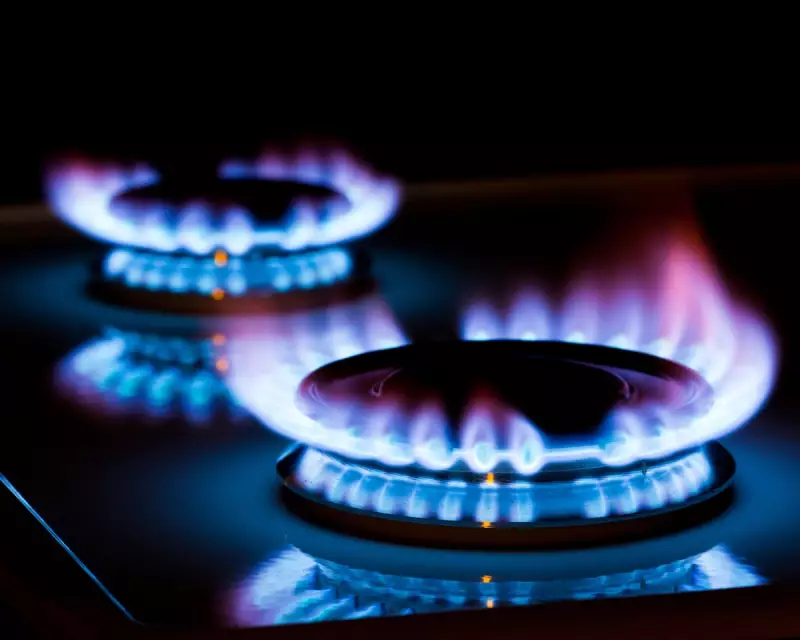
The investigation pinpointed everyday domestic activities as the primary sources of this indoor pollution. The act of cooking, particularly frying or grilling food, was a major contributor, causing sharp spikes in particulate levels. Using gas hobs released nitrogen dioxide, while even toasting bread could release particles.
Other significant sources included:
- Wood-burning stoves and open fires: A popular source of warmth, but a major emitter of fine particles if not properly maintained or using unseasoned wood.
- Candles and incense: While creating ambience, their smoke significantly degrades indoor air quality.
- Cleaning products and aerosols: Sprays containing volatile organic compounds (VOCs) can linger in the air.
- Poor ventilation: Sealing homes for energy efficiency traps pollutants inside, allowing them to accumulate.
Professor Sarah Green, the lead author of the study, stated, "We spend up to 90% of our time indoors, yet we have this misconception that being inside is a safe haven from air pollution. Our findings show that for many households, the opposite is true, especially during the times we are cooking and relaxing at home."
Health Implications and Protective Measures
Long-term exposure to elevated PM2.5 levels is strongly linked by health authorities to an increased risk of respiratory diseases like asthma, cardiovascular problems, and even impaired cognitive development in children. The study suggests that for vulnerable groups—including the elderly, young children, and those with pre-existing conditions—the chronic exposure in the home environment could be a substantial public health concern.
The research team does not suggest avoiding cooking or heating homes but emphasises mitigation through simple, effective steps. Their key recommendations include:
- Always use an extractor fan when cooking and keep it on for 10-15 minutes after finishing.
- Ensure regular maintenance of chimneys and flues for solid fuel burners and only burn dry, seasoned wood.
- Ventilate your home regularly by opening windows for short, intensive bursts, even in winter, to flush out stale, polluted air.
- Consider using electric hobs over gas where possible, and be mindful of using candles and aerosols in enclosed spaces.
The study concludes that public awareness of indoor air quality needs to catch up with the concern over outdoor pollution. As Professor Green summarises, "Making small changes to our daily routines can dramatically reduce our exposure and help create a healthier living environment for our families." With Britons continuing to spend a large proportion of their lives indoors, understanding and managing this hidden hazard has never been more critical.