In a significant shift for environmental politics, a coalition of progressive campaigners and elected officials across the United States is successfully reframing climate action as a core economic issue for working people. This move comes as the Trump administration dismisses environmental regulation as a 'scam' and as households grapple with soaring living costs linked to a warming planet.
The Affordability Crisis Meets the Climate Emergency
For years, climate politics was presented as a moral test, asking Americans to shoulder higher costs for the planet's future. Stevie O'Hanlon, co-founder of the youth-led Sunrise Movement, argues this narrative ignores a brutal reality: rising temperatures are themselves a primary driver of financial strain. "People increasingly understand how climate and costs of living are tied together," O'Hanlon stated.
The evidence is mounting. Utility and healthcare bills climb with intensifying extreme weather. Public transit systems, vital for reducing emissions, face crippling cuts. Rents rise as landlords pass on costs from inefficient buildings, higher insurance, and disaster repairs—effectively turning climate risk into a monthly surcharge. This unfolds against a backdrop of surging wealth inequality under an administration that took record donations from big oil.

Politicians and Movements Embrace Green Economic Populism
This nexus of climate and cost is now a central campaign theme. In New York City, democratic socialist mayor-elect Zohran Mamdani has pushed policies like free buses to cut car use and climate-resilient schools. Seattle's socialist mayor-elect, Katie Wilson, plans to expand social housing alongside green retrofits.
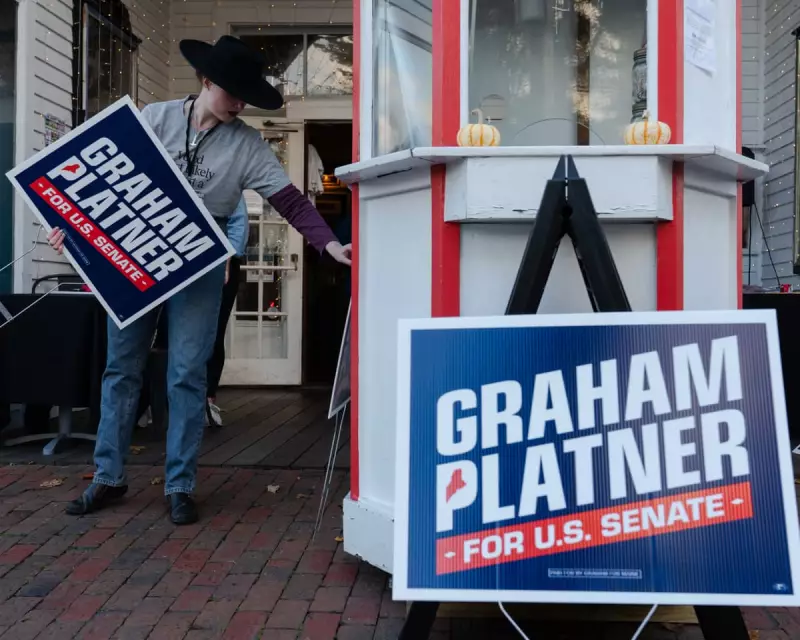
Beyond city halls, the message is spreading. Graham Platner, a US Senate hopeful in Maine, pairs environmental pledges with a critique of oligarchic politics. In Nebraska, independent Senate candidate Dan Osborn champions right-to-repair laws—a popular measure with farmers that also reduces manufacturing emissions. Even mainstream Democrats in New Jersey and Virginia have won elections by focusing on lowering utility costs.
Grassroots movements are building economic power through climate action. The Chicago Teachers' Union secured a contract mandating solar panels for schools and clean-energy career training. Similar efforts are underway by educators' unions in Los Angeles and Minneapolis. Rithika Ramamurthy of the Climate and Community Institute calls these groups "real protagonists" in the fight for 'green economic populism'.
From Maine to Texas, organised labour is demanding a unionised workforce for decarbonising energy and buildings. Tenants' unions from Connecticut to California are fighting for eviction protections and green upgrades to shield renters from climate disasters and spiralling bills.
Holding Polluters Accountable and Expanding Public Ownership
A key pillar of this agenda is making polluters pay. Activists are championing 'climate superfund' laws, which force fossil fuel companies to contribute to emissions reduction and resilience projects. Vermont and New York passed such laws in 2024, with New York and Maine expected to vote on similar measures soon. Legislators in other states plan to introduce bills in 2026, despite Trump administration attempts to block them.
"When insurance becomes unaffordable and states are constantly rebuilding after disasters, people don't need a technical explanation to know something is wrong," said Cassidy DiPaola, spokesperson for the Make Polluters Pay campaign. Polls show these accountability measures are popular with voters.
Parallel efforts aim to expand public ownership of energy. Proponents argue this strengthens democratic control and lowers rates by cutting out shareholder profits. A New York coalition won a 2023 policy directing the state-owned utility to build renewables with union labour. Campaigns for a consumer-owned utility in Maine and a public takeover in Baltimore are ongoing.

Learning from the Inflation Reduction Act's Shortfalls
Linking green policy and economics isn't entirely new; it was central to the 2018 Green New Deal push that influenced President Biden's Inflation Reduction Act (IRA)—the largest climate investment in US history. However, critics say the IRA failed to build tangible economic power for ordinary people.
While it boosted green manufacturing and created an estimated 400,000 jobs, a 2024 poll found only 24% of voters felt the IRA helped them personally. Ramamurthy notes its incentives largely benefited private companies and wealthier households, while more visible investments in housing and public transit were scaled back. "The IRA focused on creating incentives for capital, relying almost entirely on carrots with very few sticks," she said.
O'Hanlon adds that the Biden administration missed a chance to pair the IRA's passage with messaging that acknowledged widespread economic hardship. "They said the economy was doing well, which felt out of touch," she remarked.
This perceived gap allowed Trump to capitalise on economic anxiety, albeit without offering real solutions. The emerging green economic populism seeks to fill that void. "We need a vision that can actually combat the narrative Trump has been putting out," O'Hanlon concluded. "A vision for addressing the climate crisis alongside making life better for working people."