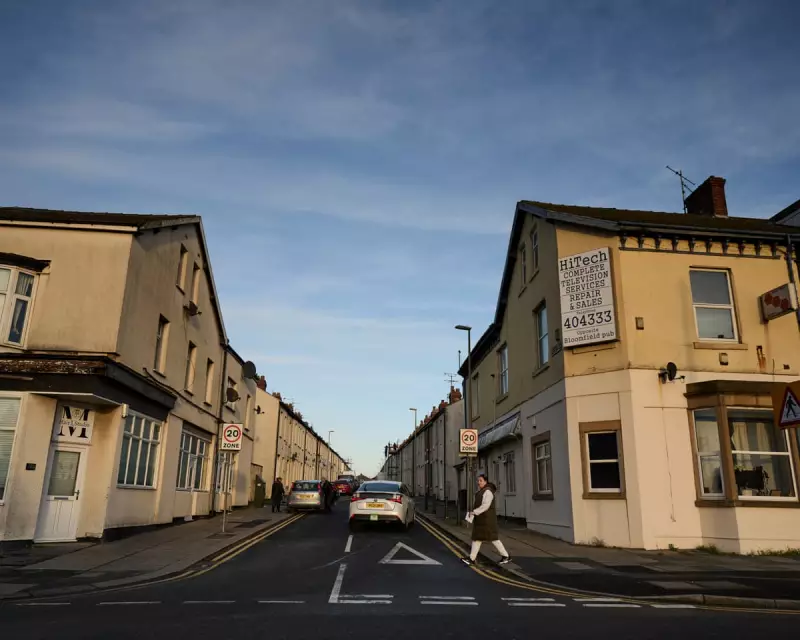
A controversial £90 million regeneration scheme will see up to 400 homes in central Blackpool demolished next summer, with plans to build just 230 replacement properties. The move, signed off by Rishi Sunak's government, will force hundreds of families to leave their homes in one of England's most deprived neighbourhoods.
A 'Mass Dispersion' of Vulnerable Residents
Official documents reveal the Rydal Avenue area earmarked for demolition is home to more than 800 people, with about 250 of them children. These residents are in the poorest 10% of England's population. Local church leader Matthew Lockwood condemned the plan, stating residents were "bewildered, angry and distraught" and risked homelessness in what he termed a "mass dispersion of statistically some of the most vulnerable people in the country".
Chris Webb, the Labour MP for Blackpool South, has raised serious concerns following an emotional public meeting last month. The demolitions starkly highlight the UK's chronic shortage of affordable housing and the challenges of improving lives in areas of entrenched poverty.

Council's Vision vs. Residents' Reality
Blackpool Council insists the project is a vital part of the "systematic and wholesale" regeneration of the town. Leader Lynn Williams said she could not "comprehend how any community leader can say regenerating one of the most deprived areas of the country is a bad thing". The council was awarded the £90m by former Levelling Up Secretary Michael Gove in March last year.
The authority plans to flatten "poor quality" houses and build 230 "high quality, energy efficient" homes, including upmarket townhouses. It claims inspections of 679 homes found two-thirds had a category one hazard – a serious risk to life – and 74% failed the decent homes standard.
However, this contradicts a 2019 masterplan produced with the council, which described many homes as "good quality" and "an excellent example of early 20th century terraced housing". Residents argue the demolitions will worsen Blackpool's severe housing crisis. The town has one of England's lowest levels of social housing (around 10%) and nearly 12,000 households were on the social housing waiting list this year.
Personal Anguish and a Tragic Precedent
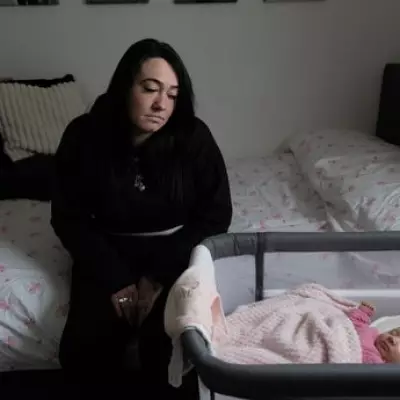
The human cost is immense. An impact assessment identifies over 800 people in the zone, including 50 toddlers, 200 children under 15, and a quarter who are disabled. The anxiety is exacerbating mental distress for many.
This follows a tragic precedent. In October, a coroner ruled that the council's forced purchase of a 34-year-old barber's house under a separate scheme contributed to his suicide. The coroner said the compulsory purchase order played a "more than minimal role" in Alistair Taylor's death.
Resident Paul Kimberlin, 64, whose partner died last year, vowed to fight the bulldozers "all the way". He rejected an offer of £96,000 plus £15,000 compensation, stating it wouldn't buy a comparable home. "I'm not moving so they're going to have to drag me out of here in handcuffs," he said.
Neighbours Brian and Rose Timmins, 78, are reluctantly leaving their family home of a century. Brian said, "The only way we planned to leave was feet first through the front door." Another mother of four faces a traumatic search for a new home, finding private rents are double her current £650 a month.
The council spokesperson could not confirm how many new homes would be social or affordable housing, though pointed to past schemes being wholly social. As bulldozers prepare to move in next summer, the battle over Blackpool's future and the fate of its most vulnerable residents continues.