
Video Game Hardware Crisis: Streaming as Only Future
A reader argues that rising hardware costs make consoles unaffordable, pushing the industry toward game streaming despite its drawbacks.


A reader argues that rising hardware costs make consoles unaffordable, pushing the industry toward game streaming despite its drawbacks.

Oil prices dropped sharply as markets react to potential peace deal between US and Iran, easing supply concerns.
Simon Jenkins argues that financial literacy should be a compulsory part of education, not just more maths. He calls for life skills like health, community, and money management.

With over 1 million young Britons not in education or work, experts point to Netherlands' low Neet rate and its three-pillar approach: vocational education, welfare support, and employer incentives.

Shared lists with real-time sync. No signup needed — just open and shop together.
Recommended
Analysis of Labor's tax policy challenges following consecutive by-election losses in New South Wales, with experts weighing in on voter sentiment and political implications.

Mount Rainier, America's deadliest volcano, could unleash a lahar that devastates Orting, Puyallup, and Sumner within minutes, threatening 60,000 people.

Deloitte has reduced the number of new UK partner promotions by more than 20% amid a challenging economic environment for professional services firms.

UK inflation increased to 3.5% in April, driven by rising energy and food costs linked to the Iran conflict and global supply chain disruptions.

The European Union is set to debate potential restrictions on Chinese imports as concerns grow over economic overreliance and strategic vulnerabilities.
Shared lists with real-time sync. No signup needed — just open and shop together.
Recommended
The Guardian argues that with energy shocks looming, Labour must develop a comprehensive plan to protect households and businesses from another winter crisis.

A new report by Alan Milburn reveals that young people in the UK face significant barriers to employment, urging government action to address the crisis.

Young Australians face tax changes on investments, but housing supply issues persist. The budget aims for intergenerational equity, but critics say reforms may not go far enough.

Jamaica considers oil drilling after hydrocarbon discovery, balancing energy security and economic development with environmental commitments and climate crisis impacts.

A report claims datacentres in Ireland used 22% of electricity, costing households €360 each since 2015. Industry disputes findings, citing economic benefits.
Shared lists with real-time sync. No signup needed — just open and shop together.
Recommended
Industrial farming has stripped flavor from American food, but a brigade of chefs, breeders, and farmers is fighting to restore it through heirloom varieties and sustainable practices.

Binzhou city has released its 15th Five-Year Plan, focusing on economic growth, environmental sustainability, and social development for 2026-2030.
Treasury modelling shows 90% of young Australians benefit from Labor's tax reforms, including a $1,000 deduction and $250 offset, while top earners face higher taxes.

A landmark report warns Britain risks a £125bn annual loss from rising youth unemployment, with over 1 million young people now not in work or education, threatening a 'lost generation'.

France introduces €1 meals in university canteens to support students facing financial hardship amid rising costs, benefiting thousands across the country.
Shared lists with real-time sync. No signup needed — just open and shop together.
Recommended
Alan Milburn warns that the Neet rate could climb to one in six young people within five years, as youth detachment from the labour market becomes permanent.

A teenage boy has died open water swimming, becoming the tenth death during Britain's heatwave. Eight young people have died swimming, with the youngest aged 12.

The Mansion House Accord aimed to boost London's IPO market, but AIM listings are declining. Experts question its effectiveness for small caps.

European ministers say UK will get no special treatment, rejecting Keir Starmer's single market for goods proposal, with EU stressing no cherrypicking of policies.

Larry Elliott critiques Tony Blair's essay on Britain's economic woes, arguing his solutions are flawed, nostalgic, and over-reliant on AI.
Shared lists with real-time sync. No signup needed — just open and shop together.
Recommended
Inflation dipped to 4.2% in April as fuel excise relief lowered petrol prices, but economists warn the RBA may still raise rates due to underlying price pressures.

BHP's WA iron ore head Tim Day cites slow electric truck and rail tech as reasons for stalled emissions cuts, raising concerns about Australia's climate targets.
Employment minister Amanda Rishworth announces welfare recipients will no longer face pointless job applications. Critics say privatised system still fails.
Despite growth and lower inflation, weak job data and flat living standards mean the UK recovery is not yet felt by ordinary people, warns a Guardian editorial.
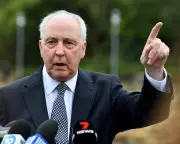
Former PM Paul Keating criticizes Labor's budget, calling capital gains tax changes 'economic vandalism' that will hurt investment and housing.
Shared lists with real-time sync. No signup needed — just open and shop together.
Recommended
Renters could save $20bn on bills in a decade from rooftop solar and appliance upgrades, but landlords' lack of motivation due to split incentives hinders progress.
